Like Afghanistan, US forces flee from Iraq? Iran mocks Trump, celebrates ‘victory’ as full control over the region

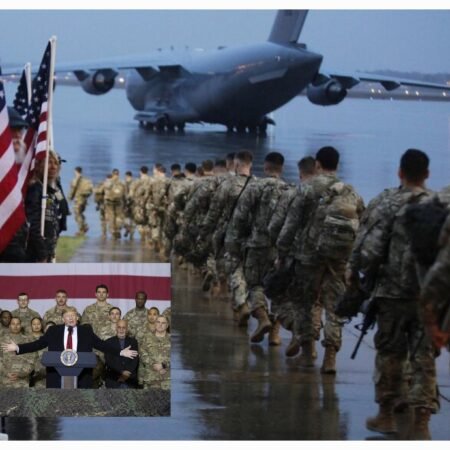
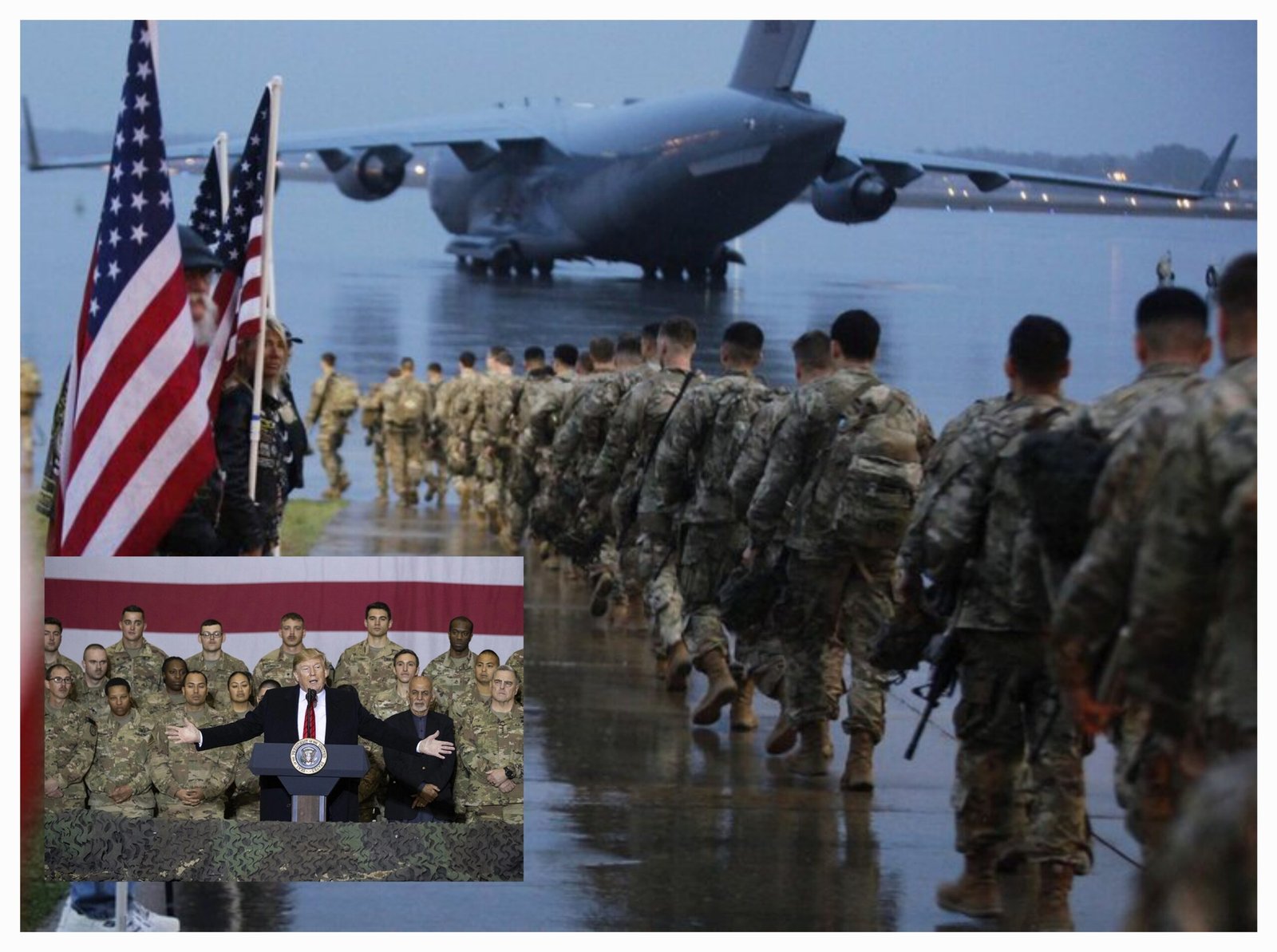
US forces are completing their pullout from the last remaining bases in Iraq by September 30, 2026, ending more than two decades of American military presence that began with the 2003 invasion. The region has been under heavy bombardment and attacks by the Iranian forces during its ongoing clash with the the US, causing considerable setbacks to Washington and now forcing a permanent withdrawal.
Since the clashes began U.S. and its State Department reports note that Iranian-backed groups and forces targeted American infrastructure in Iraq in over 600 attacks, making it one of the heaviest areas of kinetic impact. The heaviest regional damage was sustained in Iraq, totaling over $157 million in infrastructure and facility costs alone.
Strikes and drone/missile activity frequently hit logistical hubs, maintenance facilities, warehouses, fuel storage tanks, and diplomatic locations, including areas around Baghdad International Airport. The Total casualties from the conflict in Iraq crossed over 146 killed and 522 injured, spanning exchanges involving U.S. forces. This overseas high maintainenece region constantly targeted by Iran is seen as a major bleeding issue for Washington.
Meanwhile Iran and its allies have hailed the departure. Abu Mojtaba al-Yasiri, a commander in the Islamic Resistance in Iraq (an umbrella of Iran-aligned armed factions), called it “a historic victory for the Iraqi Islamic resistance groups and honorable Iraqis, and a crushing defeat for the American project.”
He described September 30 as “the turning of a black page in Iraq’s history.” Iranian officials, including Amir Hayat Moqaddam of Iran’s parliamentary National Security Commission, welcomed the move and framed it as progress for Tehran’s “axis of resistance.”
Why the US is withdrawing
The US invaded Iraq in 2003 with the intention of removing the regime of Saddam Hussein and target militant organizations like Al Qaeda. The US had also claimed that Iraq was making weapons of mass destruction, a claim which was later proven to be untrue. After removing Saddam the US forces remained in the country.
The US forces in Iraq lost roughly 4,500 personnel during the involvement. Around 2,500 troops had remained in recent years for training, advising, and counterterrorism support before the drawdown.
The current permanent withdrawal stems from a September 2024 agreement between Washington and Baghdad, negotiated under the Biden administration through a joint Higher Military Commission and implemented by the Trump administration. The plan called for ending the coalition’s military mission in Iraq and completing the remaining presence by September 30, 2026.
Key reasons include:
Degraded ISIS threat and stronger Iraqi forces: Both governments assess that Iraqi security forces (including Kurdish Peshmerga) are capable of leading the fight against remaining ISIS cells. The US has shifted the burden of counter-ISIS operations to trained Iraqi troops
Iraqi sovereignty demands: Domestic political pressure in Iraq, particularly from Iran-aligned parties and militias, long sought an end to the foreign military presence. Baghdad frames the exit as completing national sovereignty.
US policy priorities: US President Trump has emphasized ending “endless wars” and reducing the Middle East military footprint. In a July 2026 White House meeting with Iraqi Prime Minister Ali al-Zaidi, Trump stated, “We don’t think we need the military there anymore,” highlighting instead commercial ties, oil-sector opportunities, and a broader relationship in which “U.S. companies will be inside Iraq.” Defense officials have stressed moving from a combat mission to normal bilateral defense cooperation in a secure environment.
While it is clear that one of the, if not the most obvious reason is that the presence of US personnel had become a persistent target for Iran-backed militia attacks, especially amid the ongoing US-Iran conflict that began in early 2026, causing considerable damage and loss of face back home.
Expected impacts of the withdrawal
Prime Minister of Iraq Ali al-Zaidi has called October 1 “a new day” with the country free of foreign military presence and full sovereignty restored. Baghdad is marking it with public holidays framed as “Independence Day.” Security responsibility transfers fully to Iraqi forces, though bilateral US-Iraq security cooperation (training, intelligence sharing, arms sales via the embassy) is expected to continue in a non-combat form. A parallel effort to disarm and integrate Iran-backed militias into state structures has been delayed to mid-2027 amid domestic resistance.
However Iraqi officials and analysts warn of a potential vacuum that ISIS sleeper cells could exploit. Reports note increased militant movement and a suspected plot for suicide attacks timed to the pullout. Loss of US intelligence, surveillance, logistics, and air support could complicate containment, though assessments indicate ISIS remains severely degraded.
Analysts claim that the exit removes a long-standing US military counterweight, giving Tehran and its allied militias freer rein in Iraqi politics, security, and economic networks. Pro-Iranian groups may seek greater sway over decision-making. Iran has deep existing influence through political allies, the Popular Mobilization Forces, and economic ties, but Iraq has historically tried to balance relations with both Washington and Tehran.
The move reorients the US-Iraq relationship toward economic and diplomatic priorities. It leaves Iraq’s Kurdish north potentially more exposed to pressure from Baghdad, Turkey, and Iran. US residual influence is expected to persist through financial tools, sanctions enforcement, and commercial engagement.
Is this a major failure for Trump and a decisive victory of Iran?
The core agreement for this move was reached under Biden in 2024; Trump’s administration is completing an existing timeline while aligning it with his stated preference for reducing overseas military commitments and prioritizing economic ties.
Trump has publicly framed the exit positively, linking it to business opportunities and arguing military forces are no longer needed. Critics of prolonged US involvement in the Middle East often view drawdowns as fulfilling campaign pledges against “forever wars.”
However it once again shows a major loss of face as well as long term policy failure, the US withdrew from Afghanistan leaving behind the Taliban in control whom they had apparently landed to displace in 2001. The 20 year campaign costing $2.3 trillion and the lives of atleast 176,000 people can only be called an abject failure.
Now the Iraq campaign seems to be an even bigger embarrassment for the US, the campaign lasting 23 years, cost $2.9 trillion and over 550,000 lives. It leaves Iraq today a shell of its former self and that militias and Iran’s proxies will now gain control over region.
It is quite clearly a tactical and symbolic win for Iran. Tehran and its proxies now celebrate the removal of US troops from a key neighboring country after years of pressure and attacks on American bases. It advances Iran’s long-standing goal of reducing the US military footprint in the Middle East and strengthens the narrative of its “axis of resistance.” Analysts note it removes a counterweight precisely while the US is engaged in broader conflict with Iran
Iran already holds significant influence in Iraq, parts of Lebanon (via Hezbollah), Yemen (via Houthis), and elsewhere, but it does not exercise outright control over Iraq government yet. Iraq will now it seems become the playground of geostrategic fames between Iran, the Gulf states, Turkey, Israel, and residual US capabilities in the region.
The withdrawal marks the formal end of a long US combat presence in Iraq under a bipartisan-negotiated transition. It is an unquestionable strategic boost to Iran especially with what it has been trying to do in its war with the West, forcing them out. With US control over the region withering it is now expected to become a region for middle eastern war games for nations to assert control and power and fill the void the US leaves behind.