‘No Enriched Nuclear Material Will Leave Iran’: Why Pakistan’s Army Chief was in Tehran, and did he carry Donald Trump’s Message?

Iran has drawn a firm red line in its nuclear dispute with the United States, declaring that its enriched nuclear material will not leave the country. The statement came during a visit by Pakistan Army Chief Field Marshal Asim Munir, who is attempting to revive stalled diplomatic efforts between Tehran and Washington.
Munir’s visit has raised a crucial question: Is Pakistan acting as an independent peace broker, or is its defacto ruler the army chief effectively carrying the United States’ message to Iran?
The question comes amid deep mistrust between Tehran and Washington, with disagreements over Iran’s nuclear programme, American sanctions, maritime restrictions and the conditions required to resume negotiations.
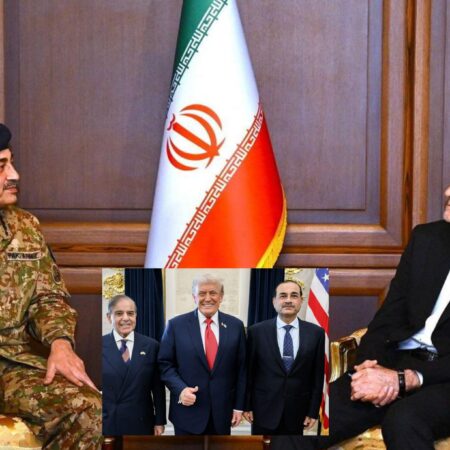
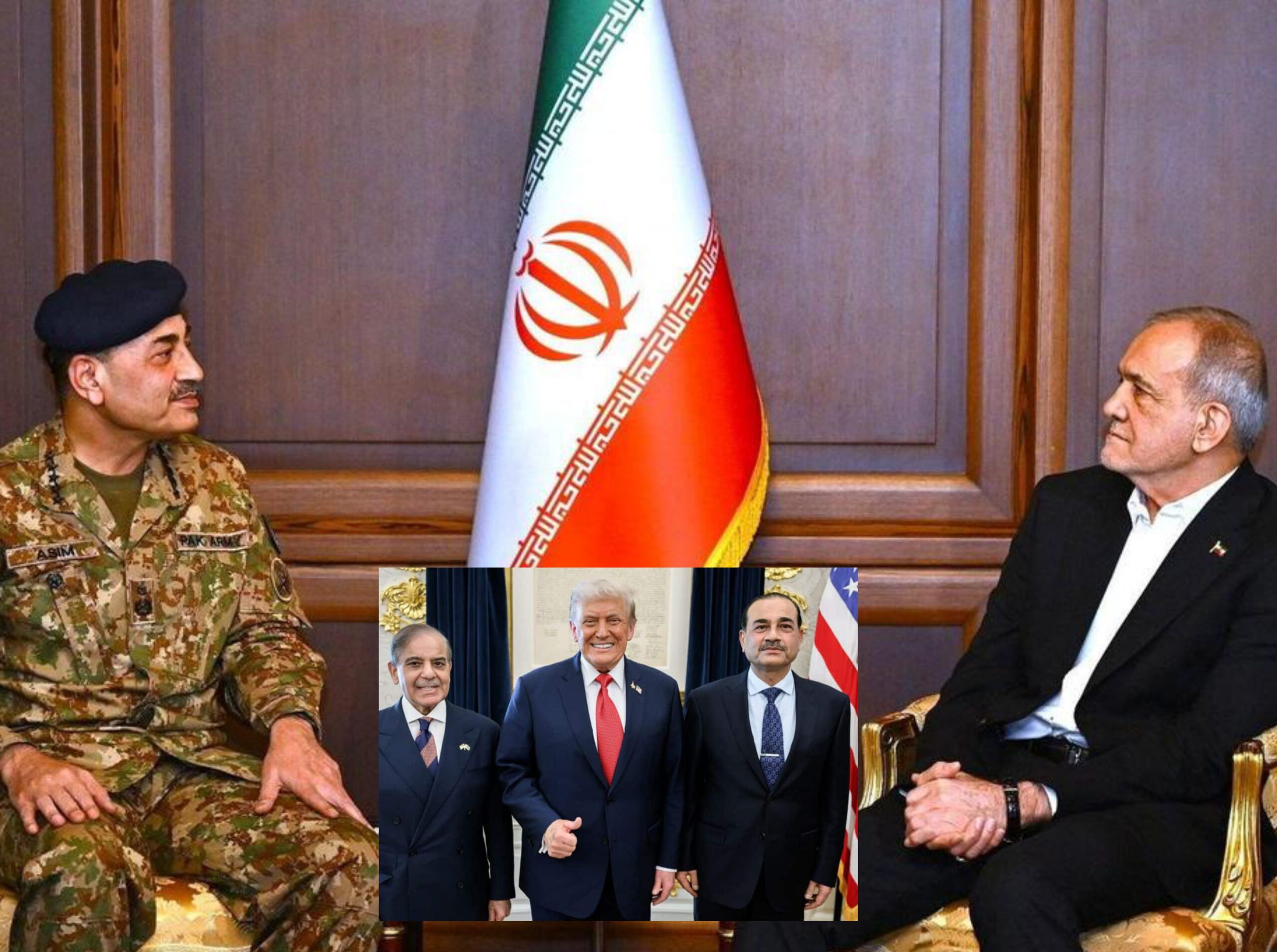
According to Reuters, Munir met Iranian President Masoud Pezeshkian and Parliament Speaker Mohammad Bagher Ghalibaf on October 20 to discuss mediation and regional developments. Iran’s leadership reiterated that Washington must meet its conditions before trust can be restored.
What Did the United States Want from Iran?
The primary objective of the United States was to secure substantial restrictions on Iran’s nuclear programme. Washington wanted Tehran to address concerns surrounding its uranium-enrichment activities, limit its capacity to produce highly enriched uranium and agree to arrangements that would prevent the development of nuclear weapons.
Iran has enriched uranium to 60 per cent purity, significantly above the levels commonly required for civilian nuclear power. Although Iran maintains that its nuclear programme is peaceful, Washington views the country’s enrichment capabilities and uranium stockpile as serious proliferation concerns.
The United States also wanted a negotiated settlement that would provide greater confidence that Iran could not rapidly develop a nuclear weapon. The fate of Iran’s enriched uranium consequently became one of the most contentious issues in the diplomatic negotiations.
However, the disagreement extended beyond nuclear technology. It also involved economic sanctions, military pressure, regional security and the future of the strategically important Strait of Hormuz.
Iran’s Firm Response: Enriched Uranium Will Stay Inside the Country
Iran responded firmly to Washington’s demands. Iranian security official Mohsen Rezaei reportedly made clear that the country would not transfer its enriched uranium to another country, describing the material as a national asset.
Mohsen Rezaei, Iran’s security chief categorically rejected the proposal to transfer Iran’s enriched uranium abroad. “Not even a tiny bit of enriched nuclear material will leave Iran.”
Tehran considers its nuclear programme a matter of sovereignty and argues that it has the right to pursue peaceful nuclear activities. Iranian officials have also questioned Washington’s credibility, pointing to previous confrontations and military actions as reasons for mistrust.
Iranian President Masoud Pezeshkian has argued that the United States must demonstrate its willingness to reduce tensions and address Iran’s concerns before meaningful negotiations can resume.
Iran Parliament Speaker Mohammad Bagher Ghalibaf also insisted that Washington must meet Iran’s conditions before talks could proceed. “We have nothing new to say; America cannot gain Iran’s trust unless it fulfils the seven conditions.”
From Tehran’s perspective, an agreement cannot be built solely around restrictions on its nuclear programme. Iran also wants relief from economic sanctions, an end to military pressure and guarantees that any future diplomatic agreement will be respected.
Iran has also explored alternatives to transferring its enriched uranium abroad, including the possibility of dealing with the stockpile inside the country. However, such possibilities would require a negotiated arrangement and appropriate verification mechanisms.
What Did Iran Want in Return?
Iran’s position was that Washington could not expect nuclear concessions without addressing the broader conflict. Its demands reportedly included lifting restrictions on Iranian ports, easing sanctions on oil exports, unfreezing Iranian assets held overseas and ending hostilities.
The Strait of Hormuz also remained a major point of contention. The waterway is crucial to international energy markets because a substantial volume of global oil shipments passes through it. Any disruption could affect oil prices, shipping costs and energy security worldwide.
Iran sought changes to the arrangements surrounding the blockade, regional hostilities and the strait. The United States, meanwhile, opposed Iran using control of this critical shipping route as leverage in negotiations.
These competing demands created a diplomatic deadlock. Washington wanted Iran to take concrete steps on its nuclear programme, while Tehran insisted that economic relief and a reduction in military pressure were necessary parts of any settlement.
Why was Asim Munir in Iran?
Munir’s primary stated objective was apparently to facilitate communication between Iran and the United States. To offer and perhaps broker a deal between the two countries.
Pakistan has positioned itself as an intermediary because it attempts to maintain working relationships with both countries. Its geographical proximity to Iran, its security interests in the region and Munir’s direct contacts with senior American officials have given Islamabad a channel through which messages can be exchanged.
Munir’s latest visit is therefore an attempt to reopen diplomatic channels at a time when direct negotiations remain difficult. Pakistan’s foreign policy usually revolves around keeping the US happy.
Is Asim Munir a Mouthpiece for the United States?
The Pakistan army chief Asim Munir is currently incharge of Pakistan, after jailing popular leader and former PM Imran Khan, his family and many of his party leaders, Munir now runs the show with a widely unpopular and controlled government led by Shehbaz Sharif as its face.
After crushing Imran Khan’s party, Munir attempted to curry favour with Donald Trump by landing in Washington and offering the US access to Pakistan’s resources; his PM Shehbaz Sharif has been calling for Trump to be given the Nobel Prize on a number of occasions.
This strategy has seemingly partially worked for Pakistan as Donald Trump has gone soft on the country and the IMF has been giving them consistent loans Islamabad desperately needs to keep itself running.
Trump is now perhaps using Munir as his voice in the region. In August 2026 Munir spoke with the US president shortly before an earlier visit to Tehran. The contents of their conversation were not publicly established in that report.
Iran has regularly accused Pakistan of representing American interests. In August, the hardline Iranian newspaper Kayhan portrayed Munir as an American proxy and described his diplomatic mission as an attempt to advance Washington’s objectives. Iranian lawmaker Abbas Golrou also reportedly said that Munir had delivered a US message urging Tehran to return to negotiations.
These allegations raise questions about whether Washington is using Pakistan’s diplomatic access to communicate proposals and pressure Iran.
Why Does Iran Suspect Pakistan’s Mediation?
For Tehran, the central issue is trust. Iranian officials have insisted that negotiations cannot proceed on terms dictated by Washington, particularly while American sanctions and restrictions on Iranian shipping remain in place.
Iran has reportedly set out seven conditions for restoring the necessary trust and reopening the Strait of Hormuz. These include lifting the US blockade on Iranian ports, easing sanctions on Iranian oil exports and ending hostilities across regional fronts.
Tehran’s position is that diplomacy cannot be separated from the economic and military pressure being applied against it.
Suspicion of Pakistan has also been fuelled by controversy surrounding earlier peace-talk announcements. In April, it was reported that Pakistan’s military public-relations wing had circulated misleading information about the expected resumption of US-Iran talks. Such reporting has raised questions about Islamabad’s credibility.
On one hand Pakistan is part of the Mecca Pact with Saudi Arabia on the other it is telling Iran to negotiate. On one hand it calls itself China’s Iron brother on the other it is doing Washington’s bidding. Iran knows it cannot trust Pakistan’s mediated deals.
Iran rightly suspects whether Pakistan will accurately communicates its conditions and concerns rather than presenting American proposals as a diplomatic breakthrough before Tehran has agreed to them.
Munir’s access to both American and Iranian officials gives Pakistan a potential diplomatic role, but access is not the same as influence over the final outcome. Pakistan PM Shehbaz Sharif had earlier also announced a peace Deal between Iran and US with great fanfare only for hostilities to resume shortly after.
For his mission to make progress, Tehran would need to believe that its conditions are being conveyed accurately and that negotiations would not simply expose it to further pressure. Washington, in turn, would need to decide whether it is prepared to address Iran’s demands in exchange for verifiable restrictions on its nuclear programme and other security commitments.
Both seem to be far off in Iran’s eyes. The refusal to transfer enriched nuclear material illustrates the gap that continues to remain between the two sides.
Munir will be making every promise he can to get this deal done for Donald Trump but Iran has to think about its own national interests not What profits the Pakistani general or the US president. For now the situation remains locked and Tehran has made its stand clear, it will not capitulate according to the whims of the US and its agents, and its sovereignty along with its nuclear materials are not on the table without addressing its demands.