
The world of football has been caught in an unexpected political and commercial controversy after French superstar Kylian Mbappe reportedly lost several Chinese sponsorship deals following comments about an internet meme depicting him as Mao Zedong, the founding leader of the People’s Republic of China.
The controversy has escalated beyond the player himself. Chinese state broadcaster CCTV has reportedly suspended broadcasts of Spain’s LaLiga football matches, while Chinese companies have ended commercial partnerships with the Real Madrid forward. China’s Foreign Ministry has also weighed in, describing remarks that hurt the feelings of the Chinese people.
What exactly did Mbappe say?
The controversy began after a video circulated online showing Mbappe discussing his favourite meme of himself during an interview associated with the French online show.
Asked about the meme, Mbappe reportedly described it as a video featuring a man he thought was a Chinese dictator. The clip then showed an edited image of the footballer’s face superimposed on a portrait of Mao Zedong.
The remarks attracted attention because the meme was not simply a joke about football. It involved Mao, one of the most consequential and politically sensitive figures for China.
Importantly, Mbappe did not explicitly name Mao in the reported comments. Furthermore, the Associated Press and Agence France-Presse reported that the video’s authenticity had not been independently verified at the time of their initial coverage.
Football fans have circulated memes portraying Mbappe as an authoritarian leader as part of wider jokes about his dominance and personality. However, a joke that may be commonplace in international football culture has now become an international incident.
Mbappe and La Liga issue apologies
Meanwhile Real Madrid star Kylian Mbappe has issued an official apology over his controversial comments about a satirical image of the Chinese leader.
Mbappe said in his statement: “During a recent interview with me, I commented on an image of myself, but my comment was not appropriate, and I now realise that it hurt the feelings of many people in China and in Chinese communities around the world.”
He added: “I apologise to everyone whom my words upset, as that was never my intention at all. I hold deep respect for the Chinese people and their history, and I express my sincere regret.”
Javier Tebas, the president of the Spanish league association, also apologised to the Chinese people on the association’s behalf following Mbappé’s comments.
The league chief voiced his regret for the upset and offence the player’s words had caused, insisting the association is working with its Chinese partners to resolve the crisis.
Tebas said, in a message posted on his account on the platform X: “We are aware of the harm this matter has caused, and I would like, on behalf of the Spanish league association, to offer our sincere apology to the Chinese people.”
He warned of the fallout the incident could have for Spanish football as a whole, explaining: “We cannot allow an individual act to tarnish this relationship or harm more than 20 clubs that take part in our professional competitions, as well as millions of Chinese fans.”
Why is China reacting so strongly?
To understand the reaction, it is necessary to understand Mao Zedong’s place in Chinese political life.
Mao led the Chinese Communist Party to victory in 1949 and became the founding leader of the People’s Republic of China. His legacy remains deeply connected to the country’s revolution, national identity and the legitimacy of the ruling Communist Party.
His rule was also marked by catastrophic events, including the Great Leap Forward and the Cultural Revolution, which caused enormous suffering. Nevertheless, Mao continues to occupy a prominent and politically sensitive position in official Chinese historical narratives.
Consequently, jokes that portray Mao as a dictator or ridicule his image can be interpreted by Chinese authorities and some citizens as an insult to the country’s history and national dignity.
China also maintains strict restrictions on political expression, particularly content involving prominent historical figures associated with the Communist Party. Laws concerning the defamation of national heroes and martyrs form part of this wider environment.
The backlash, therefore, is about more than whether Mbappe intended to offend anyone. It reflects the sensitivities of the Chinese state associated with their historic leader Mao Zedong.
Chinese sponsors cut ties with Mbappe
The first major consequences came from the commercial sector.
Three companies announced that they were ending their partnerships with the footballer, citing opposition to conduct that hurts Chinese national sentiment.
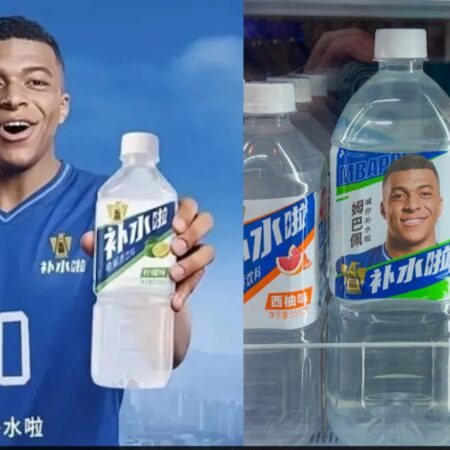
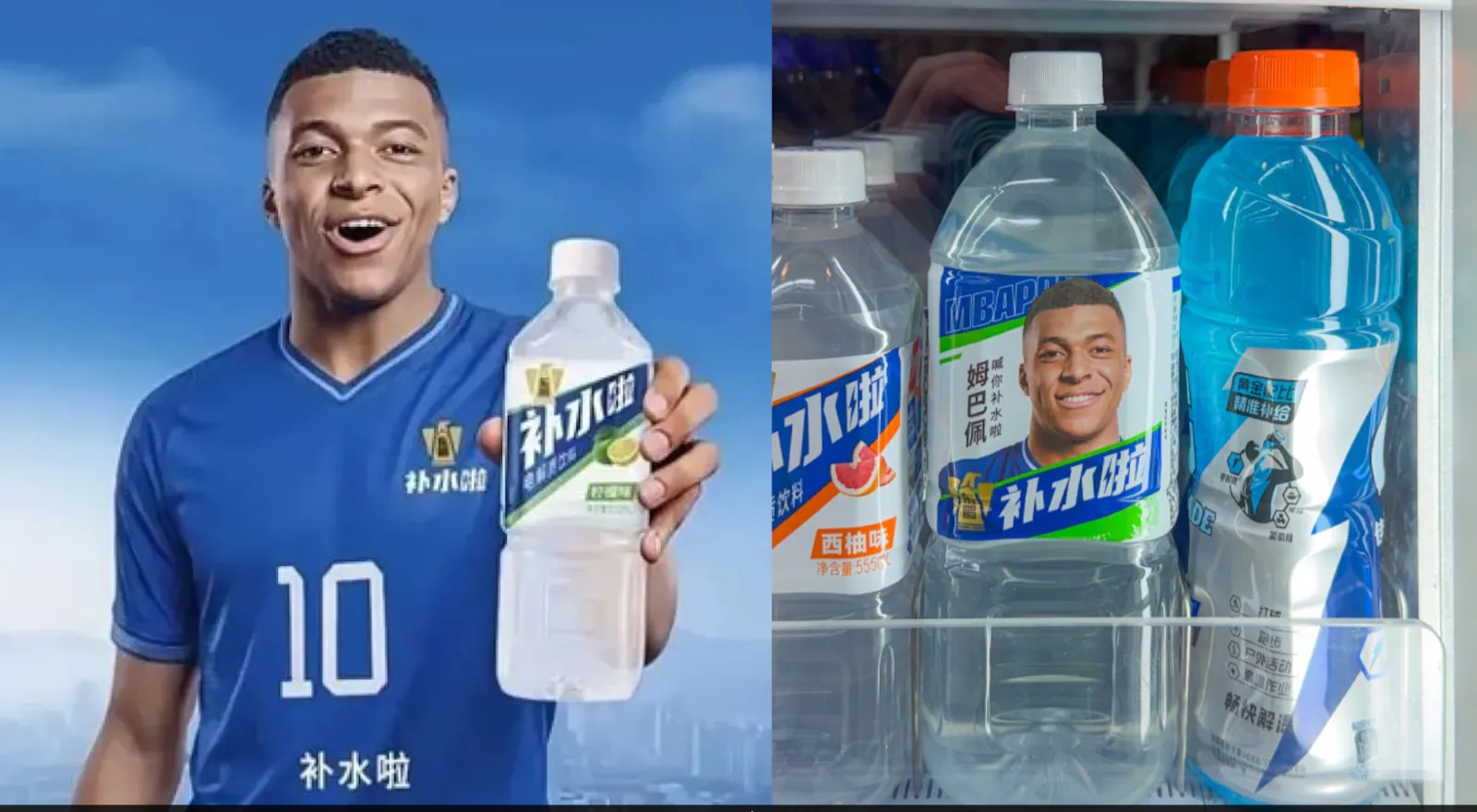
– Dongpeng Beverage: The drinks company announced the immediate termination of its cooperation with Mbappe. Its Bu Shui La beverage brand had featured him prominently in advertising campaigns.
– Mengniu: One of China’s largest dairy producers also ended its commercial relationship with the French international.
– Milkground: The Chinese cheese producer joined the companies cutting ties with the player.
The announcements followed the circulation of the controversial video. Although the companies did not all explicitly identify the meme as the reason for their decisions.
The consequences extend beyond lost endorsement fees. China is a significant market for international sports marketing, and Mbappe had appeared in advertising campaigns for products sold across the country.
LaLiga broadcasts suspended in China
The most significant development for Spanish football came when reports emerged that Chinese state broadcaster CCTV had suspended broadcasts of LaLiga matches.
According to Spanish media outlet AS, citing Chinese reporting, the suspension took effect on Monday night, October 26. It reportedly included LaLiga matches and games involving Mbappe, alongside the removal of advertisements and videos featuring the player.
The move could have consequences beyond Mbappé because LaLiga is a competition involving numerous clubs and international stars. A suspension of league broadcasts affects the visibility of Spanish football as a whole, rather than just one player’s commercial profile.
China is an important international market for sports media and sponsorship. If the suspension continues, it could create uncertainty for the league’s commercial relationships and its ability to reach Chinese audiences.
However, the precise duration of the reported suspension and the future of the relevant broadcasting arrangements remain uncertain.
How else is China reacting?
The response has extended into official statements, social media and football-related media coverage.
1. China’s Foreign Ministry has weighed in
Foreign Ministry spokesperson Guo Jiakun addressed the issue when questioned about the controversy. He said that words and actions that hurt the feelings of the Chinese people would naturally face collective opposition from different sectors of society.
This is significant because the issue has moved beyond online football discussions and corporate public relations into an official government brief.
2. RedNote is reviewing and removing promotional content
Chinese social media platform Xiaohongshu, known internationally as RedNote, said its content partnership with Mbappe had expired on December 31, 2024. It also said it was reviewing and removing related promotional materials.
This distinction matters: the platform’s statement does not establish that the controversy caused it to terminate an active sponsorship agreement in October 2026. Rather, it clarified the status of the previous partnership while announcing action concerning related content.
3. Boycott calls have gained traction online
Hashtags concerning Dongpeng’s decision and the termination of other sponsorship deals rose to the top of Weibo’s trending lists.
Some users criticised Mbappe’s reported remarks, demanded that brands remove his image from advertisements and called for boycotts. Others expressed anger at the prospect of the player visiting China.
4. Football media have joined the criticism
Dongqiudi, a major Chinese football information platform, criticised the remarks as offensive to Chinese fans and the wider public.
The episode has therefore affected more than sponsorship contracts. It has become a debate about the relationship between international football personalities and the expectations of audiences in China.
Is this an isolated incident involving Spanish football?
The controversy comes amid previous disagreements involving Spanish football organisations and Chinese sensitivities.
Recent reporting has pointed to criticism of Real Madrid over a social media message mentioning Nepal and Tibet, as well as an earlier incident in which Barcelona apologised after an image containing the Taiwanese flag appeared on a webpage connected to its international academy.
These incidents involve different circumstances and should not be treated as identical. However, they illustrate the challenges faced by international sporting organisations when their communications touch on issues that China considers politically sensitive.
For globally recognised clubs and leagues, maintaining international audiences requires more than success on the pitch. It also requires navigating cultural differences, political sensitivities and the expectations of commercial partners.
The situation remains fluid, and its eventual financial impact on Mbappe and LaLiga cannot yet be reliably quantified. Though both have publicly apologized, China will not take the comments lightly.
The Mbappe controversy demonstrates how a seemingly light-hearted internet meme can become a major international sports and business issue.
For the footballer, the immediate consequences include the loss of several Chinese sponsorship partnerships. For LaLiga, the reported suspension of Chinese state television broadcasts threatens its access to an important international audience. China’s Foreign Ministry, commercial brands, social media platforms and football media have all become part of the wider response.
At the heart of the dispute is a clash between the informal culture of internet humour and the political significance attached to the sensitivities of China.