PM Modi Speaks to Zelenskyy Ahead of Abu Dhabi Talks, Offers India’s Support to End Russia-Ukraine War

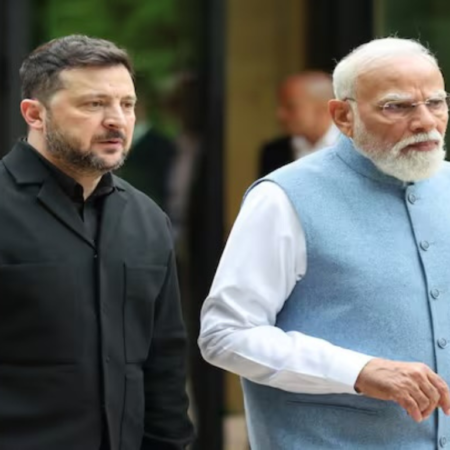
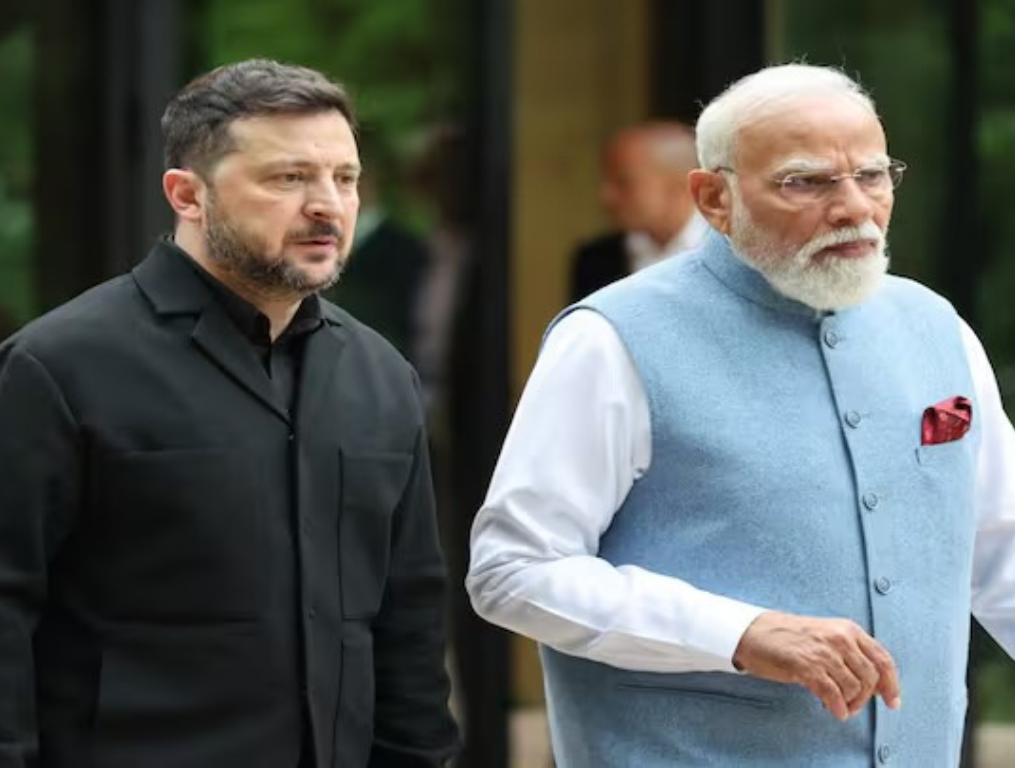
Indian Prime Minister Narendra Modi on Monday held a telephone conversation with Ukrainian President Volodymyr Zelenskyy, reaffirming India’s willingness to contribute to diplomatic efforts aimed at ending the Russia-Ukraine war. The two leaders discussed the latest developments in the conflict, ongoing peace initiatives, the humanitarian consequences of the war and ways to strengthen bilateral relations.
The conversation comes as Ukraine prepares for an upcoming meeting in Abu Dhabi, where diplomatic efforts to address the conflict are expected to gain further momentum. Zelenskyy briefed Modi on Kyiv’s preparations and the latest diplomatic developments, while seeking India’s continued engagement with international leaders to help bring the war to an end.
In a post on X after the conversation, PM Modi described the discussion as productive and said both countries had agreed to further strengthen their bilateral cooperation.
“I thanked President Zelenskyy for sharing his perspectives on the ongoing conflict, its humanitarian aspects and various efforts to restore peace. Reiterated India’s firm commitment to contributing in every possible way towards a peaceful resolution,” Modi said.
Zelenskyy Seeks India’s Diplomatic Support Ahead of Abu Dhabi Meeting
Zelenskyy also confirmed the conversation in a post on X, stating that Ukraine was actively preparing for every item on the agenda of the upcoming Abu Dhabi meeting.
He maintained that Ukraine had consistently adopted a constructive approach towards diplomatic engagement and called on Russia to demonstrate a similar willingness to de-escalate tensions.
“The Prime Minister has said more than once, including directly to the Russian leader, that now is the time to end the war, not to continue it,” Zelenskyy said, referring to Modi’s repeated appeals for a peaceful resolution during his interactions with Russian President Vladimir Putin.
The Ukrainian President also emphasised the importance of India’s diplomatic influence and urged New Delhi to explore further engagement with international leaders to facilitate an end to the conflict.
Ukraine Raises Black Sea Grain Blockade, Proposes Food Security Cooperation
An important aspect of the conversation was the impact of the conflict on global food security, particularly the disruption of grain exports through the Black Sea.
Zelenskyy said the two leaders discussed Russia’s blocking of grain exports through the strategic maritime route and highlighted the consequences for the global economy and food supplies.
He suggested that India could play a constructive role in establishing food corridors to facilitate the movement of agricultural commodities and reduce the humanitarian and economic consequences of disrupted maritime trade.
According to Zelenskyy, hundreds of millions of people around the world are affected by disruptions to global supply chains and maritime routes. He expressed hope that India’s diplomatic engagement on food security would continue.
The discussion highlights an important dimension of India’s potential contribution to peace efforts beyond conventional diplomatic negotiations. Food security, maritime connectivity and the uninterrupted movement of essential commodities could emerge as areas where New Delhi can facilitate dialogue between conflicting parties.
Both leaders agreed that their respective teams would remain in contact on these issues and other areas of bilateral cooperation.
India’s Balancing Role in Russia-Ukraine Conflict
India has consistently advocated dialogue and diplomacy as the means to resolve the Russia-Ukraine conflict while maintaining diplomatic engagement with both Moscow and Kyiv.
New Delhi has maintained that the conflict cannot be resolved through military confrontation alone and has repeatedly called for a peaceful settlement that respects dialogue and diplomatic engagement.
Modi’s latest conversation with Zelenskyy underscores India’s continued willingness to contribute to peace initiatives while preserving its strategic relationships with both countries.
With diplomatic discussions expected in Abu Dhabi, India’s engagement could become increasingly relevant, particularly in areas such as humanitarian assistance, food security and facilitating communication between international stakeholders.