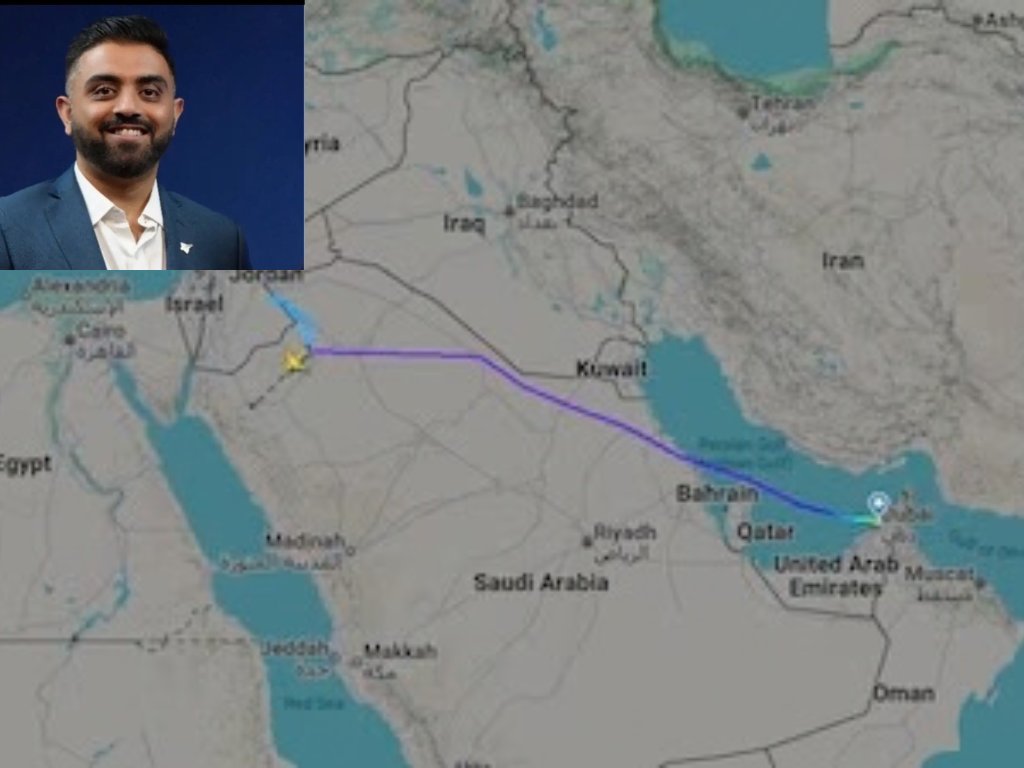
Captain Smit Machchhar Foiled Radical Omani Pilot’s Plan to Crash Flydubai Plane Into Ben Gurion Airport Israel

The Flydubai Flight FZ1073 incident has taken a more serious turn, with allegations emerging that the Omani co-pilot intended to hijack the aircraft and deliberately crash it into a major target in Israel.
According to claims surrounding the investigation, the Omani pilot allegedly told investigators that he planned to crash the aircraft into Ben Gurion Airport. Source also accounts have alleged that his intended target was Tel Aviv’s iconic Azrieli Towers.
The alleged plan was reportedly to maintain a normal approach and then, during the final stages of the flight, divert the aircraft into the target when an interception would potentially no longer be possible.
The situation was reportedly brought under control after the co-pilot attacked Indian pilot Captain Smit Machchhar while the aircraft was in Jordanian airspace. Despite sustaining injuries, Captain Machchhar is said to have made the critical decision to open the cockpit door, an action that helped prevent the situation from escalating into a catastrophic crash.
His actions, along with those of the other crew members involved, have been widely praised as an act of extraordinary courage under extreme circumstances.
The incident has also raised questions about how the attacker managed to gain access to the cockpit and obtain a weapon. Reports and discussions surrounding the incident have pointed out that the cockpit contains a crash axe, a mandatory emergency tool designed to help pilots break through certain materials during an emergency. The presence of such a tool meant that an attacker inside the cockpit could potentially use it as a weapon.
The circumstances make the reported attack particularly alarming. A cockpit is an extremely confined environment, leaving pilots with very limited space to respond when confronted by an armed attacker.
There are also allegations that the Omani co-pilot had previously travelled to Turkey in May 2026 and Pakistan in August 2026. Claims have further circulated that Oman Air had previously barred him from flying over alleged extremist links. These allegations, if confirmed, raise a critical question: how did he ultimately obtain access to a commercial flight operating toward Israel?
The investigation is reportedly examining the co-pilot’s background, movements and possible extremist connections. Authorities and aviation experts are expected to establish whether the alleged attack was part of a broader plan and how the individual was able to operate as a member of the flight crew despite the reported concerns surrounding him.
The alleged intention to kill the pilot over Jordanian airspace and subsequently crash the aircraft in Israel has inevitably drawn comparisons with the September 11 attacks, in which commercial aircraft were deliberately used as weapons.
For Captain Smit Machchhar, the incident became a fight for survival inside the cockpit. Despite being attacked and injured, his decision-making in those critical moments is being credited with helping avert what could have become a mass-casualty disaster.
The Flydubai incident therefore raises questions far beyond the immediate attack: aviation security, pilot screening, extremist links, cockpit access and the safeguards designed to prevent a commercial aircraft from being turned into a weapon.
Captain Machchhar’s reported actions have placed the focus firmly on the courage and quick thinking required to prevent such a scenario from becoming another aviation catastrophe.