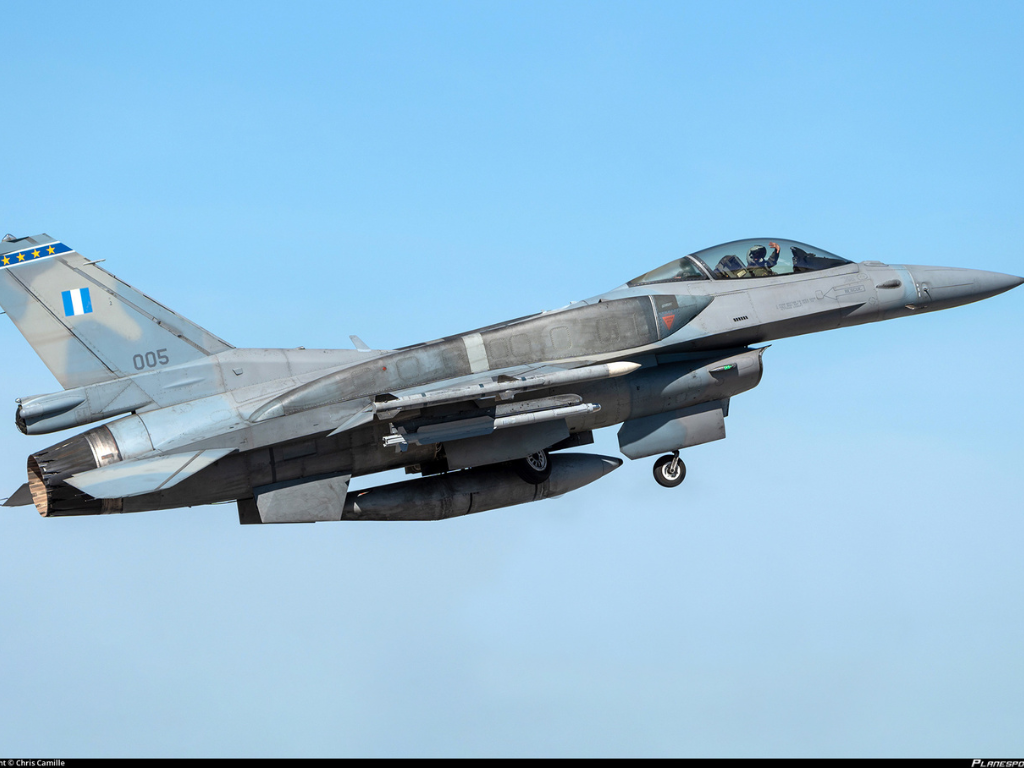
US F-16V Viper Jets Arrive, but Fighter Pilots Are Quitting: What Is Happening in Taiwan?

Taiwan’s efforts to strengthen its air defence are facing a critical manpower challenge as the island receives its first two US-made F-16V Block 70 fighter jets. While the advanced aircraft are expected to bolster Taiwan’s military capabilities against China, the Taiwanese Air Force is struggling to retain experienced fighter pilots, many of whom are leaving for better-paying jobs with commercial airlines.
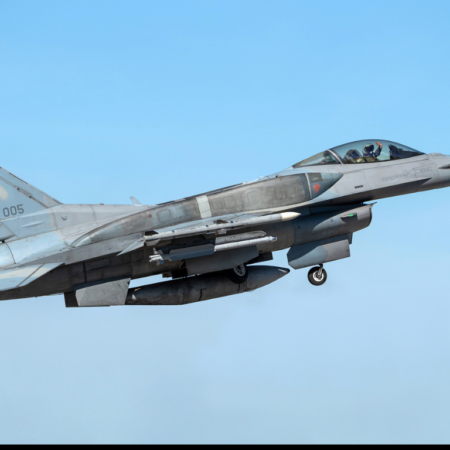
The first two aircraft, part of an approximately $8 billion deal with the United States for 66 new F-16V fighters, arrived at Chihhang Air Base on October 2, following delays that pushed the original delivery schedule back by nearly three years.
The delivery marks an important step in Taiwan’s long-term effort to modernise its combat aviation fleet. However, the arrival of the new aircraft has also highlighted a growing concern: Taiwan needs enough qualified pilots to operate its expanding fleet while maintaining its existing air defence commitments.
To address the shortage, Taiwan’s defence ministry has proposed extending the service age of experienced fighter pilots to 58 and creating additional positions that would allow senior aviators to remain focused on flying and training younger personnel.
Taiwan’s Executive Yuan is currently considering the proposals.
Taiwan Moves to Retain Experienced Fighter Pilots
Taiwan’s Defence Minister Wellington Koo Li-hsiung has said the proposed changes are intended to retain experienced pilots who might otherwise leave military service for commercial aviation careers.
Under the existing system, lieutenant colonels can generally serve until the age of 48, while colonels can serve until 52, subject to their applicable service limits. The proposed changes would allow eligible pilots to continue flying until 58, extending the current age limits by 10 years for lieutenant colonels and six years for colonels.
The defence ministry also plans to create 72 additional positions for qualified lieutenant colonel and colonel pilots with at least 14 years of service. These positions would be outside the regular personnel establishment, allowing experienced aviators to continue flying without taking on additional command or administrative responsibilities.
“Their job would simply be to fly,” Koo said, according to reports by the Hong Kong-based *South China Morning Post*.
The officers would also be expected to mentor and train younger pilots, helping Taiwan preserve valuable operational experience within its air force.
The proposed extension would remain subject to annual medical examinations and other periodic assessments. Pilots who fail to meet the required health standards would no longer be permitted to continue flying.
Commercial Airlines Attract Military Pilots
Taiwan’s pilot retention problem is being intensified by competition from the commercial aviation sector.
The expansion of commercial airlines following the COVID-19 pandemic has increased demand for qualified pilots, creating opportunities for military aviators to move into civilian aviation, where they can potentially earn more and face different professional demands.
Commercial airline pilots can generally continue flying until the age of 65, giving experienced military pilots an incentive to leave the armed forces while they are still relatively young.
Under Taiwan’s existing rules, lieutenant colonels and colonels face significantly earlier military flying age limits. Extending their service until 58 would narrow the gap between military and civilian aviation careers.
Koo told lawmakers that letting pilots serve longer would make staying in the air force more attractive.
According to the defence minister, 57 air force pilots had retired so far in 2026. Although the figure was broadly in line with previous years and below the previous year’s level, the trend remains a concern as Taiwan prepares to introduce additional advanced fighters.
Many pilots reportedly seek voluntary early retirement after completing the minimum required service period of 20 years, rather than remaining until their maximum service limits.
Replacing these personnel is not straightforward. Fighter pilots require extensive training, technical proficiency and operational experience, all of which take considerable time and resources to develop.
Taiwan Expands Its F-16V Fleet
The pilot shortage comes as Taiwan prepares for a substantial expansion of its F-16V fleet.
The United States approved the sale of 66 new F-16V Block 70 fighter jets to Taiwan in 2019 during US President Donald Trump’s first administration. The aircraft were originally expected to begin arriving in 2023, but production and software-related delays pushed deliveries back.
Lockheed Martin is expected to deliver all 66 aircraft by 2028, although Taiwan has been seeking to accelerate the schedule and complete deliveries by the end of 2027.
Defence Minister Koo said 63 of the 66 aircraft had entered production, with six having reached the flight-testing stage.
The new aircraft will complement Taiwan’s existing F-16 fleet. Under the US$4.5 billion Peace Phoenix Rising modernisation programme, Taiwan upgraded approximately 140 F-16A/B Block 20 fighters to the F-16V standard. The programme was completed in December 2023.
Taiwan first ordered 150 F-16 fighters in the 1990s, with the first Block 20 aircraft arriving in April 1997.
Once the new aircraft are delivered, Taiwan expects to operate more than 200 F-16 fighters upgraded to the Viper standard, giving it one of the largest such fleets in the Indo-Pacific.
The F-16V Block 70 features modernised avionics and advanced systems intended to improve situational awareness and combat effectiveness. However, the operational value of these capabilities depends on the availability of trained personnel who can operate the aircraft effectively.
Taiwan plans to assign at least 100 fighter pilots to the 66 new aircraft and has increased pilot positions and training in preparation for their induction.
Growing Chinese Military Activity Adds to the Pressure
Taiwan’s manpower challenge is further complicated by frequent Chinese military activity around the island.
China considers Taiwan part of its territory and has increased military pressure on the self-governed island through regular air and naval operations. Taiwan’s air force monitors these activities and maintains readiness to respond to potential threats.
According to Taiwan’s Ministry of National Defence, Chinese military aircraft were detected entering Taiwan’s air defence identification zone (ADIZ) 181 times in September 2026.
An ADIZ is a designated area in which aircraft may be required to identify themselves for security monitoring. It is not equivalent to a country’s sovereign airspace, and entry into an ADIZ does not automatically constitute a violation of national airspace.
Nevertheless, frequent Chinese military operations require Taiwan to maintain surveillance, aircraft readiness and personnel availability, placing additional demands on its air force.
Taiwan’s Air Force Chief of Staff, Lieutenant General Lee Ching-jan, said the service had moved away from scrambling fighter jets to shadow every Chinese aircraft individually.
Instead, Taiwan has increasingly relied on a combination of fighters already on patrol, naval vessels and land-based missile systems to monitor and respond to Chinese military activity. The approach is intended to reduce pressure on pilots and aircraft while maintaining operational awareness.
Recruitment Targets Met, but Experience Remains a Concern
Taiwan’s defence ministry has reported relatively strong results in meeting its recent pilot recruitment targets. Recruitment reached 96.2% of the target in 2024, rose to 112% in 2025 and stood at 98.6% in 2026. The air force’s overall personnel fill rate was reported at 87.8%.
These figures suggest that recruitment alone does not explain the problem. Retaining experienced aviators and ensuring that enough qualified pilots are available for operational duties remain significant challenges.
Experienced fighter pilots possess knowledge of aircraft systems, combat tactics, mission planning and operational procedures that cannot be replicated simply by purchasing new aircraft or recruiting additional personnel.
The issue is particularly important as Taiwan integrates the new F-16V Block 70 fighters into a force that must simultaneously maintain existing aircraft, train personnel, and monitor Chinese military activity.
The proposed service extensions and additional flying positions could help Taiwan retain institutional knowledge and ease pressure on its pilot workforce. Their effectiveness, however, will depend on whether the measures can compete with civilian aviation opportunities and sustain pilot morale over the longer term.
For Taiwan, the challenge extends beyond acquiring advanced fighter jets. Building a credible air defence capability also requires a steady supply of experienced pilots, effective training systems and the personnel needed to keep aircraft operational.
Whether the proposed reforms will be approved—and whether they will be sufficient to retain the pilots Taiwan needs—remains to be seen.