Kim Jong Un Death Rumors Surge Online, is the North Korean leader no more or are these just aggressive rumours?

Unverified reports claiming that North Korean leader Kim Jong Un has died after suffering a severe cerebral hemorrhage have spread rapidly across social media platforms this weekend. The rumors allege emergency medical treatment in China, a secret return of his body to Pyongyang, and even the deployment of Chinese troops to stabilize a succession involving his young daughter. However, there haa been no confirmation on these reports, and it is so far hard to tell whether these are just wild rumours or something really has happened.
What the Rumors Claim
Posts circulating on X and other platforms assert that Kim suffered a major brain bleed, fell into a coma, and was treated by specialists from Beijing’s Peking Union Medical College Hospital — either in North Korea or after a transfer to China. Some versions claim he later died, with his body quietly returned home. Parallel allegations suggest China sent thousands of troops (figures of around 9,000 have been mentioned) to support Kim Ju-ae in consolidating power and prevent instability.
These narratives have been promoted by accounts including Wanjun Xie, chairman of the China Democracy Party, and unconfirmed references to comments by North Korean defector Ji Seong-ho. Major news organizations and fact-checkers have found no independent verification from North Korean state media, South Korean intelligence, Chinese authorities, or reliable international sources.
Recent Public Appearances Contradict the Claims
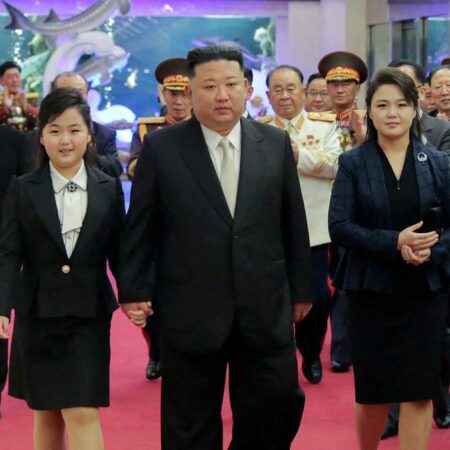
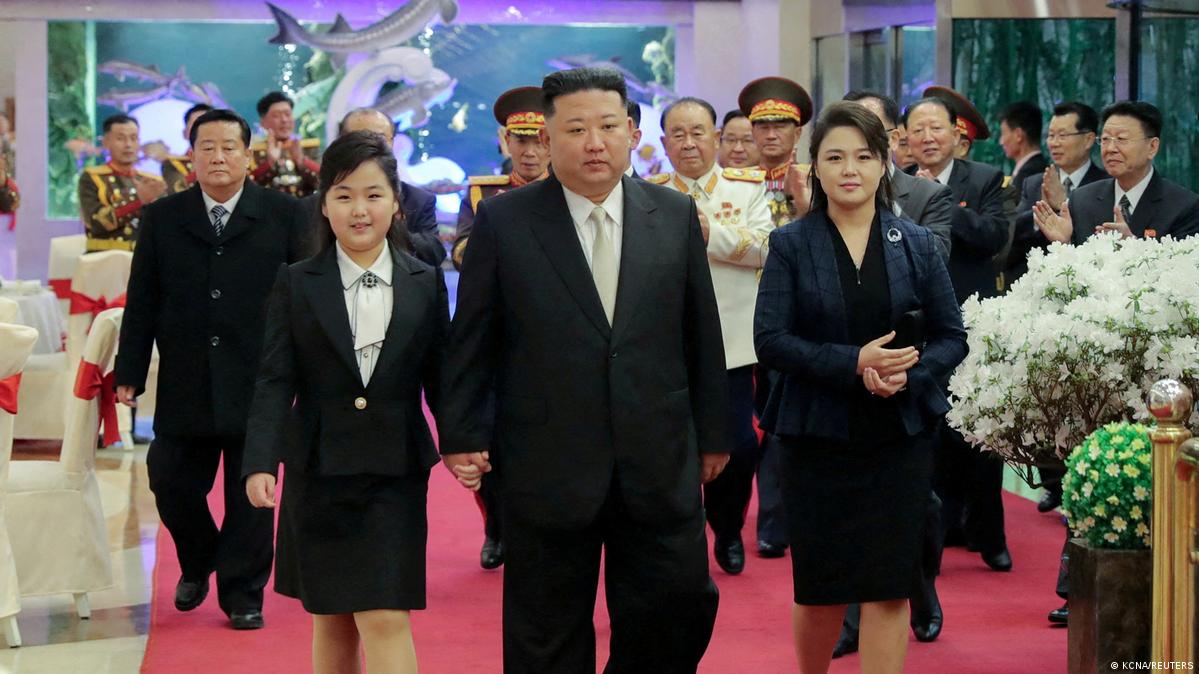
North Korean state media reported that Kim attended a celebratory performance for the 81st anniversary of the Workers’ Party of Korea around October 10, accompanied by his wife, Ri Sol-ju, and daughter Kim Ju-ae. On October 11, he inaugurated the new National Defense Revolution Museum, which showcases intercontinental ballistic missiles and other advanced weaponry. Photos released by the Korean Central News Agency (KCNA) on October 13 show him touring the facility with his wife and daughter. Earlier in October, he oversaw a strategic missile launch.
Such public activities, documented by official North Korean outlets, undercut assertions of a sudden catastrophic health crisis or death in the preceding days.
Kim’s Health Context
South Korea’s National Intelligence Service assessed in late September 2026 that Kim is severely obese, weighing more than 140 kilograms, and falls into a high-risk category for cardiovascular disease due to long-term obesity and heavy smoking. Officials noted, however, that continuous monitoring has detected no clear abnormal health indicators and that he remains physically active — including activities such as running up stairs.
Kim’s health has long been a subject of international scrutiny, and similar cycles of death or serious illness rumors have appeared multiple times in previous years, most notably during a prolonged public absence in 2020 that later ended with confirmed appearances.
Succession Questions
In the event of a leadership transition, South Korean intelligence and many analysts point to Kim’s daughter, Kim Ju-ae (believed to be about 13–14 years old), as the figure being groomed as successor. She has appeared with increasing frequency at high-profile military and state events, and NIS assessments describe her status as strengthened or effectively designated for a potential fourth-generation hereditary succession. A full transfer of power is widely viewed as years away.
Kim’s sister, Kim Yo-jong, remains one of the most influential figures in the regime and would likely play a significant stabilizing or interim role in any sudden transition due to her experience and political standing. Analysts note that an abrupt leadership vacuum in North Korea would carry substantial risks of elite power struggles or instability.
At present, the reports of Kim Jong Un’s death remain unsubstantiated social-media rumors consistent with past patterns driven by North Korea’s extreme secrecy and the leader’s known health risk factors. Confirmed public appearances as recently as mid-October, combined with the absence of any corroboration from governments or major news organizations, indicate that claims of his death are not supported by available evidence.
Further developments whether new state media appearances, official statements, or verified intelligence will be required to resolve lingering questions. Until then, the story stands as another chapter in the long history of speculative reporting surrounding the isolated regime.