After French troops now UK to Deploy Typhoon Jets to Help Defend Saudi Arabia from Houthi Attacks

The United Kingdom’s has now taken the decision to deploy Typhoon fighter jets to help defend Saudi Arabia from Houthi attacks. This comes at the back of France also deploying military personnel and air-defence equipment to Saudi Arabia,
According to the UK Ministry of Defence, the deployment was announced on 20 October 2026 in response to escalating Houthi missile and drone attacks. The operation will focus on defending Saudi territory rather than carrying out offensive strikes in Yemen.
Defensive Missions to Protect Saudi Airspace
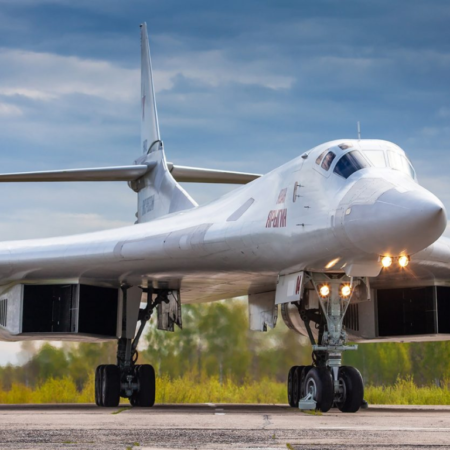
The Royal Air Force (RAF) Typhoon fighter jets will conduct defensive counter-air missions to help intercept incoming aerial threats. Their primary objective is to protect Saudi cities, civilian populations, airports and critical infrastructure from missile and drone attacks.
British authorities have explicitly stated that the deployed aircraft will not conduct offensive strikes against Houthi positions on the ground.
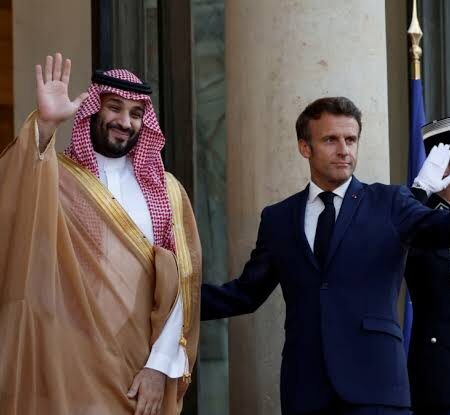
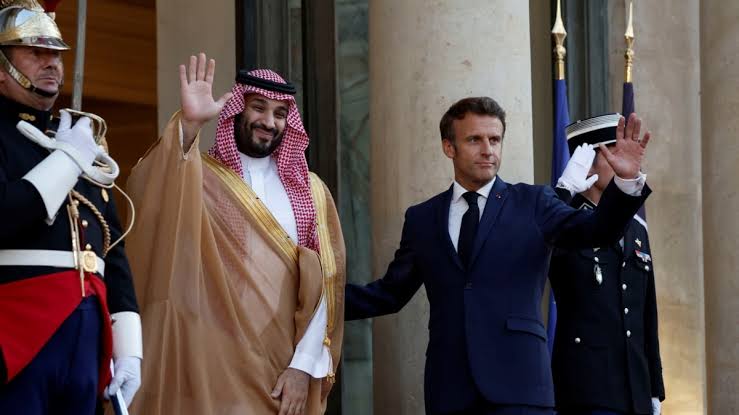
On 24 September 2026 President of France Emmanuel Macron went ahead with the plans to protect the Yanbu oil terminal on Saudi Arabia’s Red Sea coast. French soldiers, radars and air-defence systems have been deployed to defend critical energy infrastructure against aerial threats.
Additional Military Support
Alongside the fighter jets, Britain will provide an RAF A400M military transport aircraft to move defence equipment within Saudi Arabia. British military advisers will also assist Saudi staff officers.
The UK has further extended its air-to-air refuelling support for Saudi defensive air operations by another 90 days, building on existing military assistance and air-defence equipment.
Why Is Britain Taking This Step?
The deployment follows an escalation in attacks attributed to Yemen’s Houthi movement, including attacks targeting Riyadh’s King Khalid International Airport and other important infrastructure. These incidents have raised concerns about civilian safety and the potential for a wider regional conflict.
Britain also has strategic and economic interests in maintaining stability across the Middle East. Disruptions to energy supplies and shipping routes, particularly around the Red Sea and the Bab al-Mandab Strait, could affect international trade and increase costs for businesses and consumers.
The decision therefore reflects both the UK’s security partnership with Saudi Arabia and its interest in protecting regional trade and infrastructure
Although the deployment is described as defensive, it could increase tensions in an already volatile region. Intercepting missiles and drones may help reduce the immediate threat to Saudi cities, but military deployments alone are unlikely to resolve the wider conflict in Yemen.
The British government has emphasised the importance of a United Nations-led political process, de-escalation and negotiations. It has also highlighted the devastating humanitarian consequences of the continuing conflict for Yemen’s civilian population.
Possible Houthi Response to Britain’s Typhoon Deployment
The Houthis may see Britain’s involvement as foreign military interference and use it to further intensify attacks against Saudi military or strategic targets. They could also expand their targeting of regional shipping routes, although any such response remains uncertain.
The deployment could increase the risk of direct confrontation if RAF Typhoons intercept Houthi missiles or drones. British aircraft would be operating in a defensive role, but the Houthis might still regard their involvement as support for Saudi military operations.
The key concern is whether the additional British support will deter further attacks or prompt the Houthis to intensify their campaign. Continued strikes against Saudi infrastructure could also threaten energy supplies and international shipping through the Red Sea and the Bab al-Mandab Strait.
However, the long-term impact of the deployment will depend on whether defensive measures can contain the immediate threats while diplomatic efforts make progress towards a lasting political settlement in Yemen.