Lula wins Brazil elections: how he managed to defy Trump, Musk, US and Bolsonaro to return as President and what this means for Brazil and BRICS

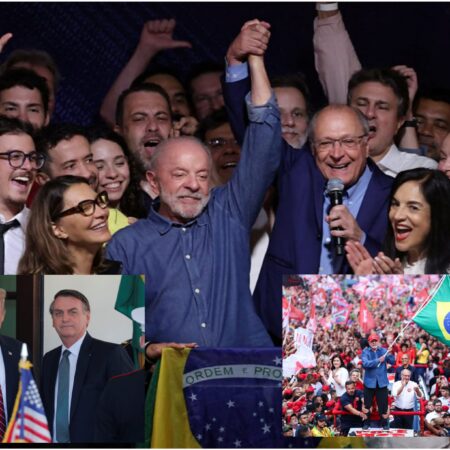
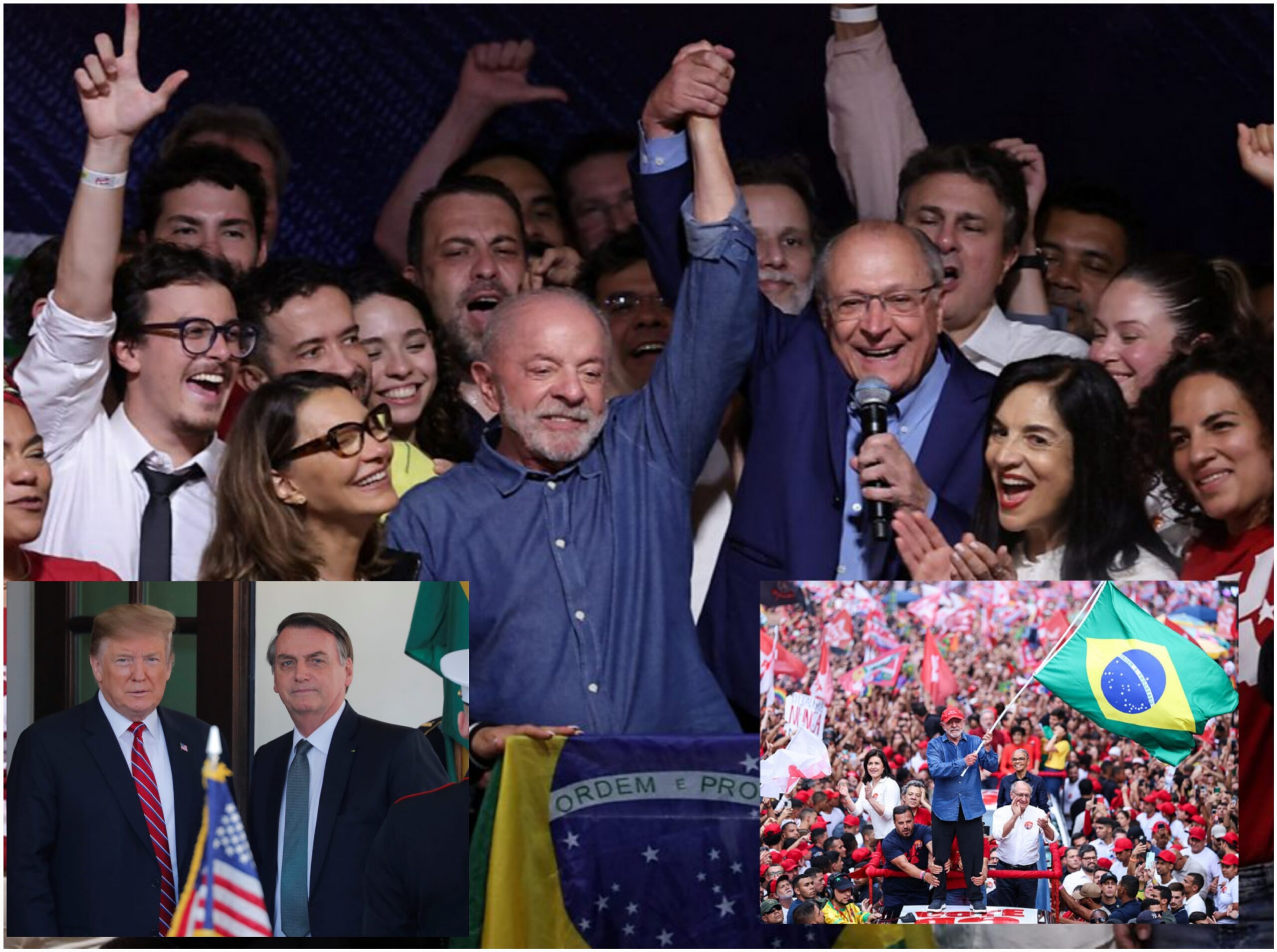
After a tremendous campaign where one man Luiz Inácio Lula da Silva popularly known as Lula took on the American juggernaut, a clash with Trump and Musk and the US President backed Bolsonaro family to emerge victorious and win the 2026 Brazil elections.
“Either the homeland remains free, or we die for Brazil. This country will not accept being anyone’s backyard,” a fiery Lula declared as he addressed his supporters.
Brazil’s presidential election is now not just a national question but has become a significant event in international politics, highlighting the limits of foreign influence and the growing importance of emerging powers.
Lula’s re-election for a fourth Presidential term, following a closely contested runoff against Flávio Bolsonaro, the son of Lula’s long time opponent Jair Bolsonaro will now have major implications for Brazil’s domestic politics and its international relationships.
Lula’s victory raises some major questions: how did he overcome these political challenges, and what will his new term mean for Brazil’s relationship with the United States, its engagement with BRICS and the broader balance of global power?
The Politics of National Sovereignty
One of the central themes of Lula’s campaign was Brazil’s right to determine its own political and economic future without external interference. Tensions with the Trump administration, including disputes over tariffs and the legal proceedings involving Jair Bolsonaro, became important issues in the campaign.
Lula presented American pressure as a challenge to Brazilian sovereignty, arguing that Brazil should not be forced to change its domestic political decisions to satisfy a foreign government. This message allowed him to connect the election with a broader question of national independence.
For many voters, the dispute was not simply about relations between two governments. It was also about whether Brazil should retain the freedom to pursue an independent foreign policy while maintaining economic and diplomatic relations with different global powers.
However, external pressure alone cannot explain Lula’s victory. Economic conditions, social welfare, regional voting patterns, political mobilisation and dissatisfaction with competing political leaders also shaped the electoral outcome.
The Key Issues Behind Lula’s Victory
Lula’s re-election was driven by a combination of economic, social and political issues. The cost of living and social welfare were central to the campaign, as many Brazilian households struggled with rising prices, debt and pressure on purchasing power.
Lula defended his government’s welfare programmes, including Bolsa Família, and promoted measures to support low-income families, increase wages and provide relief to indebted households. His campaign also highlighted employment, labour protections and a reduction in the working week without cuts to pay.
Another important issue was national sovereignty and relations with the United States. Lula opposed the Trump administration’s tariff pressure and argued that Brazil should not allow foreign governments to dictate its domestic political decisions. His emphasis on independence appealed to voters concerned about Brazil’s international standing and its freedom to maintain relations with different global powers.
Democracy and the Bolsonaro political legacy also featured prominently. Lula warned that a return of the Bolsonaro movement could threaten social advances and weaken Brazil’s independent political direction.
Lula also sought to mobilise voters through commitments to poverty reduction, workers’ rights and public services, alongside proposals for cheaper transport and assistance for small businesses. His campaign presented these policies as ways to improve everyday life, although questions about public debt, inflation and the long-term cost of government spending remain unresolved
Trump, Musk and the Limits of External Influence
Donald Trump’s political position and his administration’s pressure on Brazil added an international dimension to the election. The United States has considerable economic and diplomatic influence, but Brazil is a large economy with diversified international relationships, including extensive trade with China and other emerging markets.
Pressure from Washington therefore created both risks and political opportunities. Tariffs could damage Brazilian businesses and increase economic uncertainty, but they could also reinforce Lula’s argument that Brazil needed to defend its national interests.
Elon Musk’s role was different. His confrontation with Brazil’s Supreme Federal Court over content moderation on the social media platform X had already made him a prominent figure in debates about free speech, judicial authority and political influence. The controversy contributed to broader tensions between Brazilian institutions and sections of the international conservative movement.
Musk and Trump’s influence formed part of a much wider political environment in which Brazilian voters ultimately made decisions based on a combination of domestic and international concerns.
Meanwhile Trump’s longtime allies the Bolsonaros have now suffered defeat in an election they believed they would come out on top. With Jair Bolosonaro in jail for attempting to raise a coup in the previous election this time his son Flavio took the centrestage however ultimately suffering a defeat just like his father did at the hands of the veteran Lula.
Flávio Bolsonaro has so far refused to concede defeat and asked for the election results to be annulled due to a last-minute decision extended voting by two hours.
What Lula’s Re-election Means for Brazil’s Economy
Lula’s new term is likely to continue emphasising poverty reduction, social welfare, employment, infrastructure investment and industrial development. His government has presented social inclusion and economic growth as complementary objectives, seeking to improve living standards while strengthening Brazil’s productive capacity.
However, several challenges remain. Inflation and household expenses can affect public satisfaction, while fiscal pressures may limit the government’s ability to increase spending. Brazil also needs sustained investment in infrastructure, technology, manufacturing and education to improve productivity and support long-term growth.
The government will have to balance social spending with investor confidence and public-finance sustainability. Excessive fiscal uncertainty could increase borrowing costs, while insufficient investment in social development could undermine the administration’s domestic priorities.
Environmental policy will also remain important. Brazil’s leadership on Amazon protection and climate diplomacy can strengthen its international standing, but tensions may arise between environmental commitments and the expansion of oil production, mining and agricultural activity.
Ultimately, the success of Lula’s new term will depend on whether his government can translate its political mandate into tangible improvements in employment, incomes, public services and economic opportunity.
Lula and the Future of BRICS
Lula’s re-election is particularly significant for BRICS, the grouping of major emerging economies that includes Brazil, Russia, India, China and South Africa, alongside additional members admitted through expansion.
Lula has consistently supported a more multipolar international order in which developing countries have greater influence over global economic and political institutions. BRICS provides Brazil with a platform to pursue this objective through cooperation on trade, development finance, technology and international governance.
Under Lula, Brazil is likely to continue advocating reforms to institutions such as the United Nations Security Council and international financial organisations. He has argued that the existing global order does not adequately reflect the economic importance and political aspirations of emerging economies.
Another important issue is the role of the US dollar in international trade. Lula has supported discussions about expanding the use of national currencies in transactions between BRICS members. Such arrangements could reduce some transaction costs and diversify payment options.
However, a common BRICS currency remains a difficult proposition because member countries have different economic structures, monetary policies and strategic interests. More practical progress may come through bilateral trade in national currencies and improved cross-border payment systems.
China’s Growing Importance to Brazil
China is Brazil’s largest trading partner, making the relationship central to Brazil’s economic strategy. Agricultural exports, minerals, energy and investment are important elements of bilateral ties.
Lula is likely to continue seeking Chinese investment and access to Asian markets. Such cooperation could support infrastructure development, energy projects and industrial investment.
Nevertheless, closer economic relations with China also present challenges. Brazil must consider the risks of excessive dependence on commodity exports and ensure that foreign investment contributes to domestic employment, technological development and industrial competitiveness.
For Lula, the objective will be to strengthen relations with China without sacrificing Brazil’s capacity to make independent decisions. This approach is consistent with his broader emphasis on strategic autonomy and a more balanced international system.
Will Relations with the United States Deteriorate?
Relations between Lula’s government and Trump’s administration are likely to remain complicated. The two governments have different political outlooks and may disagree over trade, China, digital regulation, environmental policy and the use of economic pressure in international affairs. The recent election campaign has also made the question of Brazilian sovereignty particularly sensitive.
Lula is likely to defend Brazil’s independence while remaining open to negotiations on trade and investment. Trump’s approach will also matter: further economic pressure could deepen tensions. The US President Donald Trump’s son Donald Trump Jr has already criticised the result, citing the two-hour voting time extension.
“If a conservative government in Brazil did this, everyone in the mainstream press in America would lose their minds, but I guess they’re just choosing to be silent because it’s all for the cause,” he said.
Implications for India and the World
Post the election taking to X, the Prime Minister of India Narendra Modi congratulated Lula. The two share a very warm and comfortable relationship. Modi posted, “Heartiest congratulations to my dear friend, President Lula, on his remarkable re-election victory.
I look forward to working closely with him to further deepen and expand the multifaceted India-Brazil Strategic Partnership.
Together, we will continue to strengthen our cooperation across diverse sectors, advance the shared priorities of the Global South and work towards a more inclusive, equitable and sustainable world.”
Lula’s re-election also matters for India and other developing economies. Brazil and India share interests in expanding the Global South cooperation, reforming international institutions and increasing the representation of emerging economies in global decision-making.
Through BRICS and the G20, the two countries can work together on development finance, renewable energy, biofuels, agriculture, pharmaceuticals and trade.
Lula’s re-election represents an important development in Brazilian politics and international relations. His campaign unfolded amid tensions with the Trump administration, controversies involving Elon Musk and the full strength of the Bolsonaro movement.
Lula’s victory is a major win for the sovereignty of Brazil, BRICS and the unfolding multipolar world. It also marks a major dent for Trump, Musk and Co as they have long been attempting to get South America under their wing. Venezuela, Argentina, Colombia have all fallen in line, but Brazil was the big one, it also meant damaging the BRICS movement. However the fiery Lula has managed to take all of these pressures on and win, giving the Brazilian sovereignty movement a path to becoming a major global multipolar power in the future.