US Midterms 2026: Democrats Lead Republicans in Key Battleground States Despite Trump’s Push

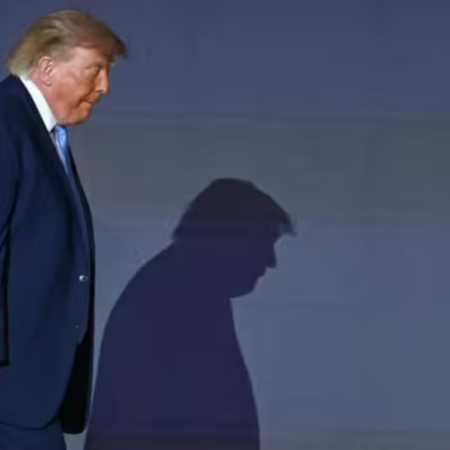
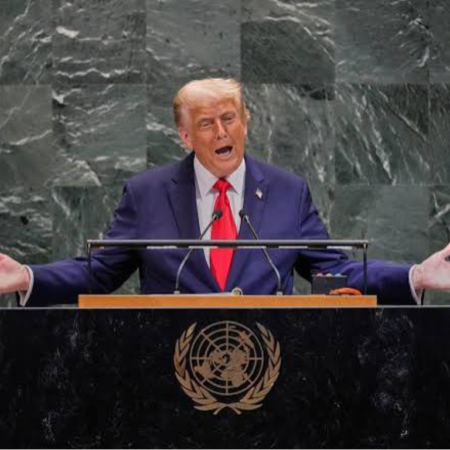
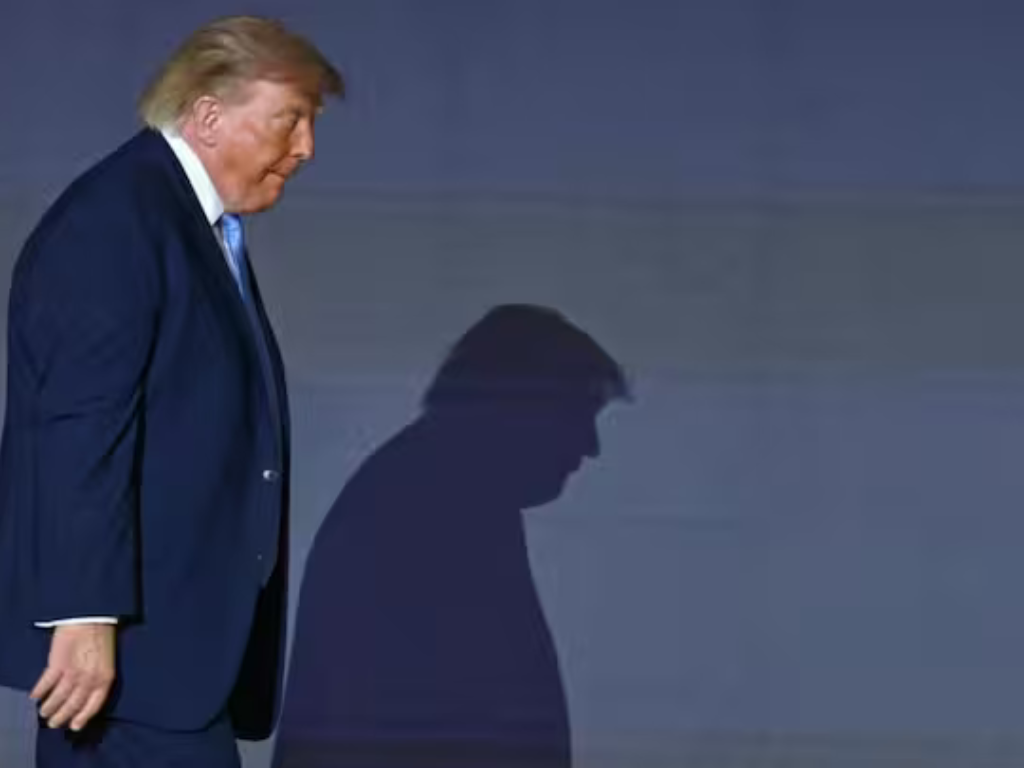
Democrats are leading in several crucial Senate and gubernatorial races ahead of the 2026 US midterm elections, with concerns over the cost of living, the war with Iran and President Donald Trump’s falling approval ratings emerging as major campaign issues.
Democrats are ahead of Republicans in most key battleground states, according to the final New York Times–Siena University survey, raising the possibility of significant electoral setbacks for Trump’s Republican Party. The polling indicates that Democratic candidates are gaining ground even in traditionally Republican strongholds, including Texas and Kansas.
The results could have major implications for control of the US Senate, where Republicans are defending a larger number of seats. Democrats must retain all their current seats and win four additional Republican-held seats to secure control of the chamber.
Democrats Gain Ground in Republican Strongholds
The survey shows Democrats leading in several closely watched Senate contests. They hold a five-point advantage in Kansas, a state that has not elected a Democratic senator since 1932. In Texas, where Republicans have dominated Senate elections for decades, Democrats are ahead by seven points.
Democratic candidates are also leading in Ohio by six points, Maine by six points and Michigan by 11 points. In Alaska, Democrats hold a narrow one-point lead, while the Iowa contest remains effectively competitive, with Democrats ahead by one point.
The polling figures highlight the challenges facing Republicans as they seek to defend their Senate majority. Of the 35 Senate seats up for election in 2026, 22 are currently held by Republicans, compared with 13 held by Democrats.
Michigan presents a particularly significant contest for Democrats. Democratic nominee Abdul El-Sayed is leading by double digits in the survey, making it the only battleground state among those highlighted that currently has a Democratic senator.
The gubernatorial races also point to a competitive electoral landscape. Democrats are leading in Iowa, Alaska, Maine, Michigan and Ohio, while the contests in traditionally Republican Kansas and Texas are effectively tied.
In Ohio, Republican gubernatorial candidate Vivek Ramaswamy faces a difficult contest against Democratic rival Amy Acton. Despite a campaign marked by sharp personal attacks, Ramaswamy continues to trail in the polls, raising concerns for Republicans about their prospects in the state.
Cost of Living Emerges as a Major Election Issue
Economic concerns appear to be playing a central role in the election campaign, potentially undermining Trump’s efforts to mobilise Republican voters.
According to the survey, Democrats hold a nine-point advantage over Republicans on the cost-of-living issue across the battleground states. Democratic candidates lead on affordability in every state covered by the poll.
The findings suggest that voters’ concerns about household expenses are outweighing some of the arguments advanced by the Trump administration and Republican candidates.
Trump’s political standing has also faced pressure amid divisions within his support base over the war with Iran and the cost-of-living crisis linked to the conflict and tariffs. Some Republican voters and candidates have reportedly distanced themselves from the president during the campaign.
Democrats, meanwhile, have focused on affordability, corruption and what they describe as excessive executive power. Their campaign strategy has combined efforts to consolidate their existing supporters with attempts to attract voters concerned about the economy and the administration’s policies.
Trump’s Campaign Strategy Faces Challenges
Trump has sought to rally Republican voters through forceful political messaging, including attacks on Democratic candidates over immigration, national security and cultural issues.
His attacks on Abdul El-Sayed in Michigan have drawn attention for their anti-Muslim rhetoric, while his broader anti-immigration messaging has sought to energise his core supporters. Trump has also made national security a campaign issue, warning that Iran could develop a nuclear weapon if he does not win.
However, the polling suggests that these arguments have not fully overcome concerns about economic pressures. Trump’s declining approval ratings could further complicate Republican efforts to retain Senate seats and defend governorships.
The Texas Senate race offers another indication of the changing electoral dynamics. Democratic candidate James Talarico leads Republican Ken Paxton by seven points, according to the survey. In Maine, Democratic challenger Troy Jackson is ahead of incumbent Republican Senator Susan Collins.
If these polling trends translate into election results, Republicans could face serious difficulties in states that have traditionally favoured their candidates. However, polling leads do not guarantee victories, and the final outcome will depend on turnout, campaign developments and voter preferences on election day.
What the Midterm Results Could Mean for Trump
The 2026 midterm elections represent a critical test of Trump’s political influence and the Republican Party’s ability to maintain control of Congress.
A Democratic victory in enough Republican-held Senate races could shift control of the chamber, potentially limiting the administration’s ability to advance its legislative agenda. Democratic gains in gubernatorial contests could also reshape political dynamics in several states ahead of the next presidential election cycle.
The survey points to a campaign in which economic concerns are competing with immigration, national security and cultural issues for voters’ attention. For Republicans, the challenge is to persuade voters that Trump’s agenda addresses their immediate concerns. For Democrats, the opportunity lies in converting dissatisfaction over affordability and governance into electoral gains.
With Democrats leading in several key battlegrounds, the final polling presents a warning for Republicans: Trump’s high-profile campaign push may not be enough to prevent Democratic advances in the 2026 midterms.