
• Lifestyle
  • Entertainment
  • Fitness
September 17, 2026
Menu
  • Defence
  • Editorials
  • Entertainment
  • Geopolitics
  • Politics
  • Science and technology
  • Sports
  • Tech News
  • Defence
  • Editorials
  • Politics
  • Science and technology
  • Sports
  • Geopolitics
The Japanese Credit Rating Agency Upgraded India’s Sovereign Credit Rating. How Does It Affect the Ordinary Indian?
Editorials

Japanese Credit Rating Agency Upgraded India’s Sovereign Credit Rating. How Does It Affect the Ordinary Indian?

Smriti Singh
September 4, 2026 2 Mins Read
20 Views
0 Comments

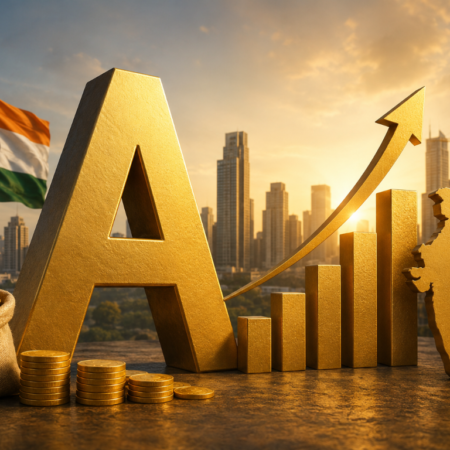
Recently, Japan’s credit rating agency (JCR) upgraded India’s sovereign credit rating by one notch, from BBB+ to A-, with a stable outlook.

JCR also upgraded India’s foreign-currency and long-term issuer ratings from BBB+ to A-, while raising the country ceiling from A- to A.

The upgrade reflects India’s sustained and resilient economic growth, which stood at 7.8%, supported by robust private consumption and public investment. JCR also highlighted policies aimed at improving productivity, including Digital Public Infrastructure (DPI) and the Goods and Services Tax (GST).

The agency also pointed to the strengthening of India’s financial sector. India’s banking-sector non-performing loan (NPL) ratio has fallen below 2%, aided by the Insolvency and Bankruptcy Code (IBC), stronger RBI supervision, and macroprudential measures.

Financial inclusion has also expanded through digital payments and Direct Benefit Transfers (DBT), improving access to financial services and increasing the visibility of economic activity in the informal sector.

However, JCR also identified structural concerns at the federal level, including complex Centre-State fiscal relations, fiscal-transfer arrangements, and fiscal management that can remain vulnerable to electoral cycles.

How Does India’s Rating Compare With Other Agencies?

In contrast to JCR, other major credit rating agencies, such as Moody’s and Fitch, continue to rate India at Baa3 and BBB-, respectively. These are the lowest investment-grade ratings.

Both agencies have highlighted concerns including India’s relatively high public debt compared with countries at similar income levels. They have also pointed to challenges such as employment generation and India’s relatively low per-capita income, which needs to improve further.

About JCR?

The Japan Credit Rating Agency (JCR) was established in 1985 and is a leading Japanese financial services company providing credit ratings and economic research.

Its core responsibilities include assessing the creditworthiness of corporate debt, financial institutions, local governments, and sovereign issuers.

A sovereign credit rating assesses a country’s ability and willingness to meet its debt obligations.

JCR’s market coverage extends to more than 70% of Japan’s financial sector and over 60% of publicly rated corporate issuers.

Why Does the Rating Matter to Indian economy? 

A sovereign credit rating influences the cost at which a country can borrow in international markets.

A higher credit rating generally indicates stronger creditworthiness and a lower perceived risk of default. This can help a country access international capital markets at relatively lower borrowing costs. Conversely, a lower rating signals higher perceived risk, which can increase borrowing costs.

Therefore, if India’s credit rating continues to improve and other major rating agencies follow JCR’s assessment, India could gain cheaper and easier access to international capital from markets such as the US and Japan.

This could make more capital available for investment, infrastructure, businesses, and economic development.

Ultimately, the impact on ordinary Indians would not necessarily be immediate or direct. But over time, a stronger sovereign credit profile can contribute to lower financing costs, greater investment, stronger economic activity, and potentially more employment opportunities.

Tags:

Credit Rating agencyIndian EconomyJapanese credit rating agency

Share Article

Follow Me Written By

Smriti Singh

Next
Nepal Floods Expose a New National Security Threat: Why Disaster Management Matters for India
September 17, 2026

Nepal Floods Expose a New National Security Threat: Why Disaster Management Matters for India

Previous
September 4, 2026

10 Most iconic Indian movies of the 21st Century that have redefined Indian cinema forever

No Comment! Be the first one.

Leave a Reply Cancel reply

Your email address will not be published. Required fields are marked *

Search
Most Read
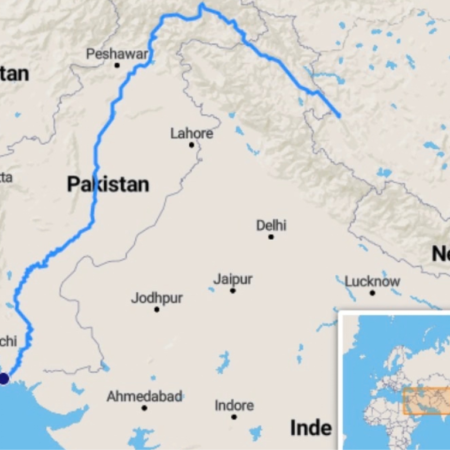
The Indus river system. The treaty’s allocation is basin-wide, but its practical consequences are concentrated in the transboundary Western Rivers. Image: Wikimedia
Indus Waters Treaty at a Crossroads: India’s Response to the 31 August 2026 PCA Ruling
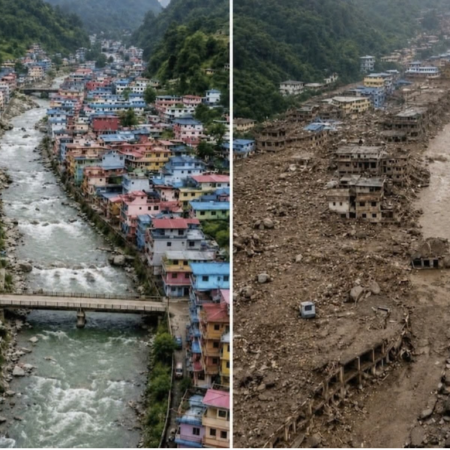
Nepal Floods Expose a New National Security Threat: Why Disaster Management Matters for India
The Japanese Credit Rating Agency Upgraded India’s Sovereign Credit Rating. How Does It Affect the Ordinary Indian?
Japanese Credit Rating Agency Upgraded India’s Sovereign Credit Rating. How Does It Affect the Ordinary Indian?
10 Most iconic Indian movies of the 21st Century that have redefined Indian cinema forever
Most Share
Entertainment
10 Most iconic Indian movies of the 21st Century that have redefined Indian cinema forever
Jyotirmay Kaushal
September 4, 2026
The Best Style For A New York Summer This Year
News
August 3, 2022
How to Ease The Sore Muscles After a Hard Workout
News
August 4, 2022
11 Stylish Bikes That Look as Good as They Perform
News
August 5, 2022
Categories

Entertainment

3 Posts

Travel

1 Posts

Politics

4 Posts

Defence

6 Posts
Follow Us

Related Posts

The Indus river system. The treaty’s allocation is basin-wide, but its practical consequences are concentrated in the transboundary Western Rivers. Image: Wikimedia
Editorials
Indus Waters Treaty at a Crossroads: India’s Response to the 31 August 2026 PCA Ruling
Amit Shrivastava
September 17, 2026
Nepal Floods Expose a New National Security Threat: Why Disaster Management Matters for India
Editorials
Nepal Floods Expose a New National Security Threat: Why Disaster Management Matters for India
Amit Shrivastava
September 17, 2026
The Japanese Credit Rating Agency Upgraded India’s Sovereign Credit Rating. How Does It Affect the Ordinary Indian?
Editorials
Japanese Credit Rating Agency Upgraded India’s Sovereign Credit Rating. How Does It Affect the Ordinary Indian?
Smriti Singh
September 4, 2026
Can India become $20 trillion economy by 2036 ? Equirus report say “YES”
Editorials
Can India become $20 trillion economy by 2036 ? Equirus report say “YES”
Smriti Singh
August 28, 2026

At NorthStar Times, we believe reliable journalism is the foundation of an informed society.

Recent

Indus Waters Treaty at a Crossroads: India’s Response to the 31 August 2026 PCA Ruling
September 17, 2026
Nepal Floods Expose a New National Security Threat: Why Disaster Management Matters for India
September 17, 2026

Categories

Art & Culture 4
Defence 6
Digital 6
Editorials 7

Links

  • Home
  • About Us
  • Contact Us
North Star Times
  • Defence
  • Editorials
  • Politics
  • Science and technology
  • Sports
  • Geopolitics

© 2026, All Rights Reserved.

  • Defence
  • Editorials
  • Entertainment
  • Geopolitics
  • Politics
  • Science and technology
  • Sports
  • Tech News