Xi-Trump-Putin Trilateral Summit: Nuclear Arms Treaty Expiry, Iran War and Global Power Politics Take Centre Stage

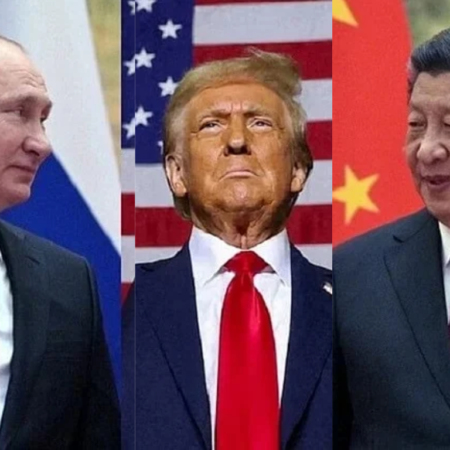
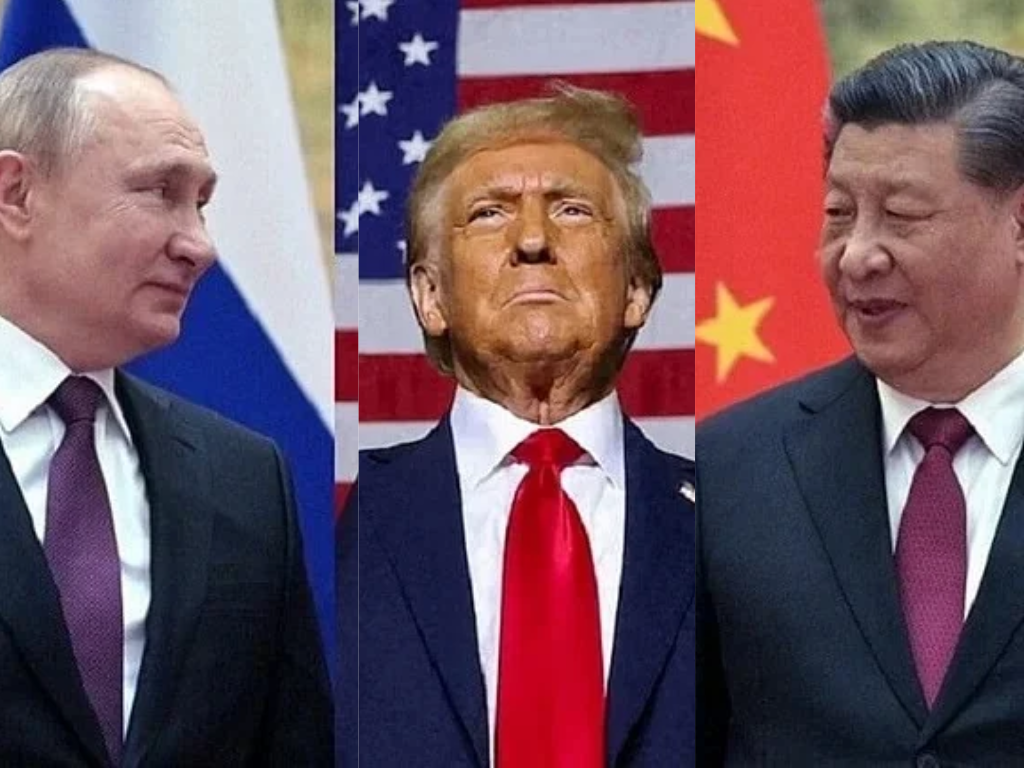
China is preparing to host an unprecedented diplomatic gathering as Chinese President Xi Jinping, US President Donald Trump and Russian President Vladimir Putin are set to meet in Shenzhen on November 19, 2026, on the sidelines of the 33rd Asia-Pacific Economic Cooperation (APEC) summit. The meeting comes at a critical moment for global security, with the expiration of the last major US-Russia nuclear arms control treaty, escalating tensions surrounding Iran and continuing geopolitical divisions over Ukraine.
The proposed trilateral summit could mark a significant moment in international diplomacy, bringing the leaders of three of the world’s most influential powers into the same negotiating room for the first time. However, the meeting also exposes competing priorities. Washington wants to focus on nuclear arms reductions and the Iran conflict, Moscow is keen to discuss the Ukraine war, while Beijing appears interested in strengthening its position as a central diplomatic power.
China’s Foreign Ministry confirmed the meeting on November 16, describing it as the first face-to-face summit involving the three leaders. Spokesperson Mao Ning said the discussions would focus on safeguarding world peace, promoting strategic stability and improving communication between major powers.
The meeting is scheduled for 2:30 PM local time at Kylin Villa in Shenzhen, according to the White House schedule.
Nuclear Arms Control: The Biggest Strategic Challenge
Nuclear arms control is expected to be among Washington’s principal priorities during the summit. White House spokesperson Olivia Wales indicated that Trump intends to discuss reducing nuclear weapons globally, arguing that nuclear proliferation poses a serious danger to international security.
The timing is particularly significant because the New Strategic Arms Reduction Treaty (New START), the last remaining legally binding agreement limiting the strategic nuclear arsenals of the United States and Russia, expired on February 5, 2026.
Its expiration removed the final major treaty-based restrictions on the world’s two largest nuclear arsenals, raising concerns about a potential new nuclear arms race.
UN Secretary-General Antonio Guterres has warned about the consequences of the treaty’s expiration and called on Washington and Moscow to negotiate a successor agreement containing verifiable limits. He has also indicated that the United Nations is prepared to support any meaningful nuclear disarmament initiative emerging from the Shenzhen meeting.
However, bringing China into a trilateral nuclear arms control framework will not be straightforward.
Beijing has consistently argued that the United States and Russia possess substantially larger nuclear arsenals and therefore bear the primary responsibility for nuclear disarmament. China maintains that expecting it to participate in negotiations on equal terms with Washington and Moscow would be neither fair nor realistic at this stage.
Strategic analysts also suggest that Beijing is unlikely to accept restrictions that could constrain its nuclear modernisation before achieving greater parity with the United States.
Consequently, the summit could expose a fundamental disagreement over the future of global nuclear governance: whether nuclear arms control should remain a bilateral US-Russia arrangement or evolve into a broader framework involving China.
Iran Conflict Adds Another Layer of Geopolitical Tension
The Iran conflict is another major issue expected to feature in Trump’s discussions with Xi and Putin.
Washington is interested in securing diplomatic support from both Beijing and Moscow to address the continuing instability surrounding Iran and its wider implications for regional security.
The United States and Israel’s military confrontation with Iran has raised concerns about the possibility of a wider Middle Eastern conflict, disruptions to energy supplies and increasing volatility in global oil markets.
For China, the stakes are particularly significant. As one of the world’s largest energy importers, Beijing has a direct interest in preventing prolonged instability in the Middle East and disruptions to critical energy routes.
Russia, meanwhile, has its own strategic interests in the region and maintains close diplomatic and military relationships with Tehran.
However, whether the three leaders can identify common ground on Iran remains uncertain. Their broader geopolitical interests may overlap on the need to prevent regional escalation, but their approaches towards Tehran and Washington’s military strategy differ considerably.
UN Secretary-General Guterres has also called for serious diplomatic negotiations between Washington and Tehran, warning that prolonged uncertainty between peace and conflict could have serious consequences for the global economy.
Why Ukraine May Remain Outside the Main Agenda
Despite being one of the most consequential geopolitical conflicts involving Russia and the West, the Ukraine war may not feature prominently in the official trilateral discussions.
Putin is reportedly interested in using the summit to advance diplomatic efforts towards ending the four-year conflict. Russian presidential aide Yuri Ushakov has indicated that the Shenzhen meeting could continue discussions aimed at reaching a negotiated settlement.
However, Washington appears reluctant to include Ukraine in the trilateral agenda.
US officials have indicated that the Trump administration is pursuing a separate negotiating process involving Kyiv and Moscow. Washington’s position is that China is not directly involved in this particular diplomatic track.
Beijing, too, has maintained that European countries must be involved in discussions concerning the future of Ukraine, particularly because any settlement would have significant implications for European security.
The differences create a diplomatic complication for Xi. While China maintains close strategic ties with Russia, openly endorsing Moscow’s preferred terms for a settlement could expose Beijing to further criticism from Western governments.
A joint statement on Ukrainian territory, security arrangements or sanctions against Russia therefore appears unlikely.
Nevertheless, the conflict could remain an important background issue shaping the interactions between the three leaders.
China Could Emerge as the Biggest Political Winner
Beyond the immediate diplomatic agenda, the Shenzhen summit carries considerable symbolic significance for Beijing.
For Xi Jinping, bringing Trump and Putin together represents an opportunity to project China as an indispensable power in international diplomacy.
Unlike traditional multilateral summits, where several countries share the diplomatic spotlight, a meeting involving these three leaders places Beijing at the centre of global strategic calculations.
Analysts believe that Xi could secure considerable political benefits simply by hosting the meeting, irrespective of whether it produces a concrete agreement.
The gathering also comes at a time when US-China relations remain complicated by trade disputes, technology restrictions and strategic competition.
A US-China trade truce, which is scheduled to expire in January 2027, could also feature in discussions. Analysts expect both countries to consider extending the arrangement to prevent another escalation in their economic relationship.
Washington is particularly concerned about the persistent trade imbalance with China, while Beijing wants to preserve access to the American market and reduce uncertainty surrounding its exports.
The leaders could also explore whether a longer-term framework for rebalancing bilateral trade relations is possible.
However, technology competition and restrictions on advanced semiconductor exports remain major sources of friction. The summit is not expected to resolve these disputes.
A Historic Meeting, But Will It Deliver Results?
The Xi-Trump-Putin trilateral summit is unprecedented in its format, but its significance will ultimately depend on whether the leaders can translate diplomatic engagement into concrete outcomes.
For Trump, the meeting offers an opportunity to advance his nuclear disarmament ambitions and engage Beijing and Moscow on the Iran conflict.
For Putin, it provides another diplomatic platform to strengthen Russia’s international position and potentially advance discussions over Ukraine.
For Xi, hosting both leaders reinforces China’s image as a major power capable of bringing competing geopolitical interests to the negotiating table.
However, the absence of a clearly defined public agenda and the substantial differences between the three countries suggest that expectations of major breakthroughs should remain cautious.
The bigger question is whether the Shenzhen summit will establish a new mechanism for managing relations among the world’s three major powers or remain primarily a demonstration of diplomatic influence.
At a time when nuclear arms control is weakening, conflicts are reshaping global security and economic rivalries are intensifying, even a limited agreement between Washington, Moscow and Beijing could carry significant international consequences.