UNESCO World Heritage Sites in India 2026: Complete List, States and Latest Updates

India now has 45 UNESCO World Heritage properties, including 37 cultural, seven natural and one mixed site. The inscription of the Ancient Buddhist Site of Sarnath in 2026 has further strengthened India’s position on the global heritage map.
India’s vast cultural history, architectural traditions and ecological diversity are reflected in its growing list of UNESCO World Heritage Sites. From the Taj Mahal and Ajanta Caves to the Sundarbans and Western Ghats, these sites represent places considered to possess Outstanding Universal Value (OUV) to humanity.
As of July 2026, India has 45 properties inscribed on the UNESCO World Heritage List—37 cultural, seven natural and one mixed. The latest addition is the Ancient Buddhist Site of Sarnath in Uttar Pradesh, inscribed in 2026 during the 48th session of the World Heritage Committee in Busan, South Korea. (UNESCO World Heritage Centre)
What Are UNESCO World Heritage Sites?
UNESCO World Heritage Sites are cultural, natural or mixed properties recognised for their Outstanding Universal Value. They are protected under the 1972 Convention Concerning the Protection of the World Cultural and Natural Heritage, commonly known as the World Heritage Convention.
The Convention established an international framework for identifying, protecting and conserving heritage considered important to humanity as a whole.
Countries nominate properties for inscription, after which nominations undergo evaluation before the World Heritage Committee makes the final decision.
Importantly, World Heritage status does not transfer ownership of a property to UNESCO. The sites remain under the sovereignty of the country in which they are located, while the country assumes an international responsibility for their protection and conservation.
How Does UNESCO Select a World Heritage Site?
A property must demonstrate Outstanding Universal Value and meet at least one of UNESCO’s ten selection criteria.
The criteria cover both cultural and natural heritage.
Cultural criteria
Cultural properties may qualify because they:
- Represent a masterpiece of human creative genius.
- Demonstrate an important interchange of human values.
- Provide exceptional testimony to a cultural tradition or civilisation.
- Represent an outstanding example of architecture, technology or landscape.
- Demonstrate traditional human settlement or interaction with the environment.
- Have significant associations with events, traditions, ideas or beliefs of universal importance.
Natural criteria
Natural properties may qualify because they:
- Contain exceptional natural phenomena or areas of outstanding natural beauty.
- Represent major stages in Earth’s history.
- Demonstrate significant ecological or biological processes.
- Contain important habitats for the conservation of biodiversity.
The evaluation process involves expert advisory bodies, including ICOMOS for cultural properties and IUCN for natural properties.
UNESCO World Heritage Sites in India: 2026
India’s 45 World Heritage properties comprise:
| Category | Number |
| Cultural | 37 |
| Natural | 7 |
| Mixed | 1 |
| Total | 45 |
UNESCO’s official India page lists 37 cultural properties, seven natural properties and one mixed property. (UNESCO World Heritage Centre)
UNESCO Cultural World Heritage Sites in India
India’s cultural heritage list includes ancient Buddhist centres, Mughal monuments, Hindu and Jain temples, colonial architecture, historic cities and archaeological sites.
| Site | Year | Location |
| Agra Fort | 1983 | Uttar Pradesh |
| Ajanta Caves | 1983 | Maharashtra |
| Ellora Caves | 1983 | Maharashtra |
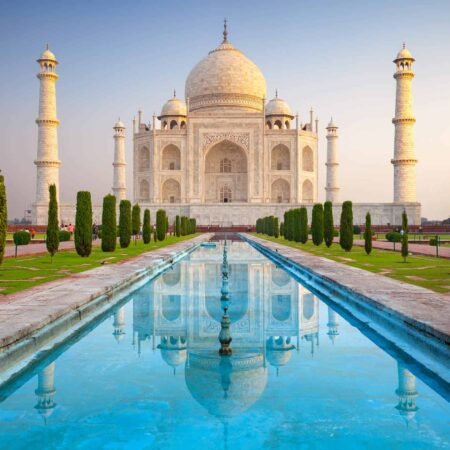
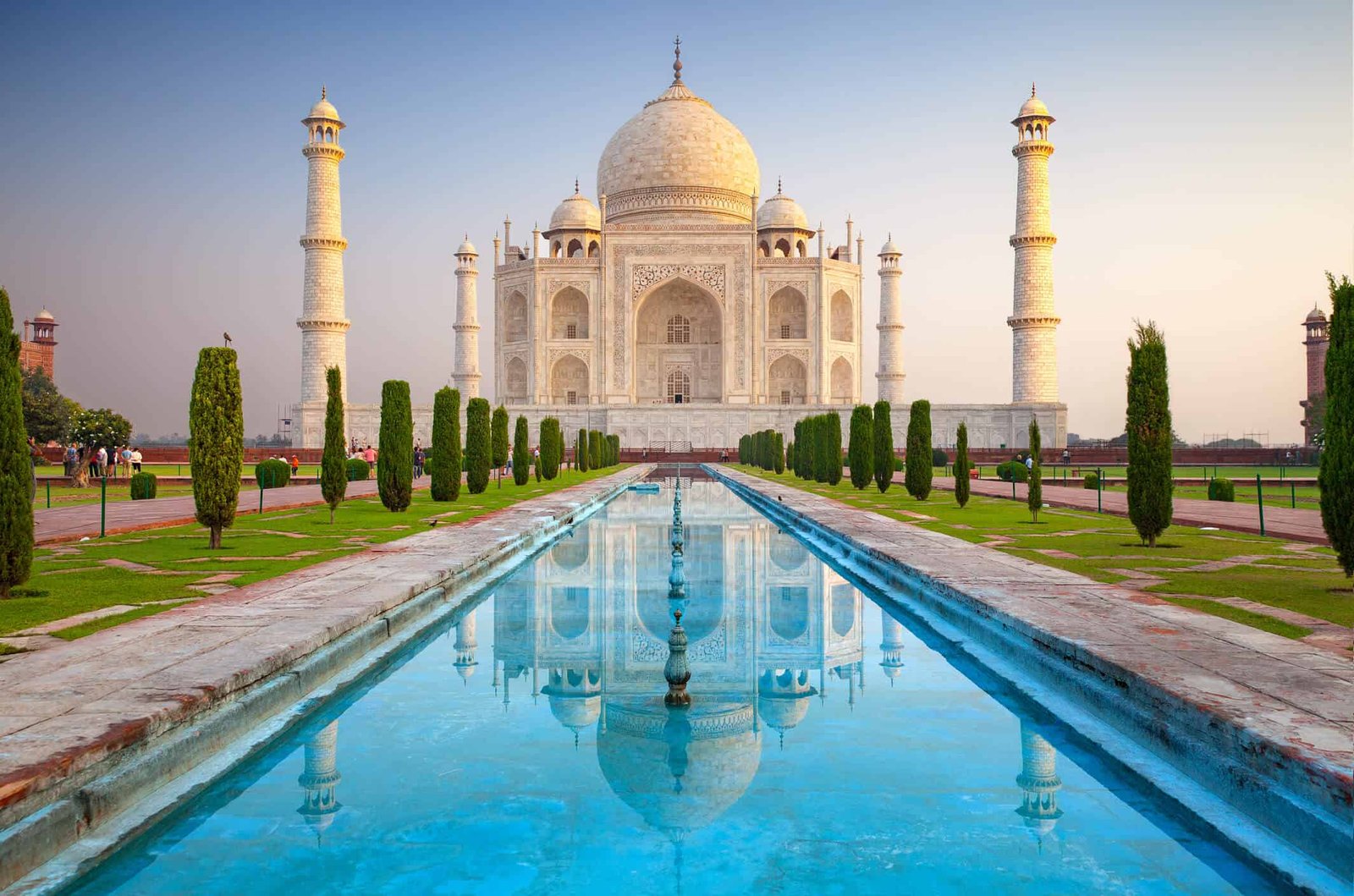
| Taj Mahal | 1983 | Uttar Pradesh |
| Sun Temple, Konark | 1984 | Odisha |
| Group of Monuments at Mahabalipuram | 1984 | Tamil Nadu |
| Churches and Convents of Goa | 1986 | Goa |
| Fatehpur Sikri | 1986 | Uttar Pradesh |
| Group of Monuments at Hampi | 1986 | Karnataka |
| Khajuraho Group of Monuments | 1986 | Madhya Pradesh |
| Elephanta Caves | 1987 | Maharashtra |
| Great Living Chola Temples | 1987 | Tamil Nadu |
| Group of Monuments at Pattadakal | 1987 | Karnataka |
| Buddhist Monuments at Sanchi | 1989 | Madhya Pradesh |
| Humayun’s Tomb, Delhi | 1993 | Delhi |
| Qutb Minar and its Monuments | 1993 | Delhi |
| Mountain Railways of India | 1999, 2005, 2008 | Multiple states |
| Mahabodhi Temple Complex at Bodh Gaya | 2002 | Bihar |
| Rock Shelters of Bhimbetka | 2003 | Madhya Pradesh |
| Champaner-Pavagadh Archaeological Park | 2004 | Gujarat |
| Chhatrapati Shivaji Terminus | 2004 | Maharashtra |
| Red Fort Complex | 2007 | Delhi |
| The Jantar Mantar, Jaipur | 2010 | Rajasthan |
| Hill Forts of Rajasthan | 2013 | Rajasthan |
| Rani-ki-Vav | 2014 | Gujarat |
| Archaeological Site of Nalanda Mahavihara | 2016 | Bihar |
| Architectural Work of Le Corbusier | 2016 | Chandigarh |
| Historic City of Ahmadabad | 2017 | Gujarat |
| Victorian Gothic and Art Deco Ensembles of Mumbai | 2018 | Maharashtra |
| Jaipur City, Rajasthan | 2019 | Rajasthan |
| Dholavira: A Harappan City | 2021 | Gujarat |
| Kakatiya Rudreshwara (Ramappa) Temple | 2021 | Telangana |
| Santiniketan | 2023 | West Bengal |
| Sacred Ensembles of the Hoysalas | 2023 | Karnataka |
| Moidams – Mound-Burial System of the Ahom Dynasty | 2024 | Assam |
| Maratha Military Landscapes of India | 2025 | Maharashtra and Tamil Nadu |
| Ancient Buddhist Site of Sarnath | 2026 | Uttar Pradesh |
UNESCO’s official listing confirms Sarnath as a cultural World Heritage property inscribed in 2026, bringing the cultural-property count to 37. (UNESCO World Heritage Centre)
Sarnath Becomes India’s Latest UNESCO World Heritage Site
The Ancient Buddhist Site of Sarnath is the latest addition to India’s World Heritage List.
Located near Varanasi in Uttar Pradesh, Sarnath holds enormous significance in Buddhist history. According to UNESCO, it is the sacred location where Buddha delivered his first sermon in the 6th century BCE and met his earliest disciples.
The site subsequently developed into a major Buddhist centre containing stupas, temples and monasteries. UNESCO has inscribed the property under criteria (iii) and (vi). (UNESCO World Heritage Centre)
The inscription took place during the 48th session of the World Heritage Committee, held in Busan, Republic of Korea, from July 19 to 29, 2026. (UNESCO World Heritage Centre)
The recognition is particularly significant for India because Sarnath joins other major Buddhist heritage sites such as the Mahabodhi Temple Complex at Bodh Gaya, Nalanda Mahavihara and the Buddhist Monuments at Sanchi.
UNESCO Natural World Heritage Sites in India
India’s seven natural World Heritage properties showcase the country’s extraordinary biodiversity, ranging from Himalayan ecosystems to tropical forests and wetlands.
| Site | Year | Location |
| Kaziranga National Park | 1985 | Assam |
| Keoladeo National Park | 1985 | Rajasthan |
| Manas Wildlife Sanctuary | 1985 | Assam |
| Sundarbans National Park | 1987 | West Bengal |
| Nanda Devi and Valley of Flowers National Parks | 1988, 2005 | Uttarakhand |
| Western Ghats | 2012 | Multiple states |
| Great Himalayan National Park Conservation Area | 2014 | Himachal Pradesh |
UNESCO currently lists these seven properties under India’s natural World Heritage category. (UNESCO World Heritage Centre)
Why Are India’s Natural Sites Important?
These sites protect some of the country’s most important ecosystems and habitats.
Kaziranga, for instance, is internationally recognised for its exceptional wildlife, including the one-horned rhinoceros. The Sundarbans represent a globally significant mangrove ecosystem, while the Western Ghats are recognised for their exceptional biodiversity and high levels of endemism.
The Himalayan properties, meanwhile, preserve alpine ecosystems, glaciers, forests and diverse mountain wildlife.
India’s Only Mixed UNESCO World Heritage Site
India has only one property classified as a mixed World Heritage Site:
Khangchendzonga National Park, Sikkim
Inscribed in 2016, Khangchendzonga National Park is recognised for both its cultural and natural significance.
The property encompasses spectacular Himalayan landscapes and a wide range of ecosystems, while also having deep cultural and religious significance for the people of Sikkim.
Its mixed designation makes it particularly important because it demonstrates the relationship between human cultural traditions and the natural environment.
Maratha Military Landscapes: India’s 2025 Addition
Before Sarnath, India’s latest addition was the Maratha Military Landscapes of India, inscribed in 2025.
The serial property comprises 12 fortifications associated with the Maratha military tradition, with the majority located in Maharashtra and one component, Gingee Fort, in Tamil Nadu.
The inscription highlights the strategic military architecture developed under the Maratha Empire and adds another dimension to India’s representation on the World Heritage List.
India’s UNESCO Heritage Journey
India’s journey on the World Heritage List began in 1983, when four properties were inscribed:
- Agra Fort
- Ajanta Caves
- Ellora Caves
- Taj Mahal
Over subsequent decades, the list expanded to include archaeological sites, historic cities, religious monuments, colonial-era architecture, industrial heritage, forests and mountain ecosystems.
The addition of Sarnath in 2026 demonstrates how India’s World Heritage portfolio continues to expand beyond its iconic monuments to encompass a broader representation of the country’s civilisational and ecological heritage.
UNESCO World Heritage Sites vs Tentative List
A crucial distinction is between the World Heritage List and the Tentative List.
A site on the Tentative List is not yet a UNESCO World Heritage Site. It represents a property that a country intends to consider for future nomination.
India continues to maintain a substantial Tentative List containing cultural and natural properties that could potentially be nominated for World Heritage status in the future.
This pipeline includes heritage ranging from ancient temples and archaeological sites to forests, landscapes and historic cultural complexes.
Why UNESCO World Heritage Status Matters for India
UNESCO recognition has significance beyond prestige.
1. Heritage conservation
World Heritage status encourages stronger conservation and management frameworks for historically and environmentally important sites.
2. Global recognition
Inscription places Indian heritage within a global framework and increases international awareness of the country’s cultural and natural assets.
3. Tourism potential
World Heritage recognition can strengthen cultural and heritage tourism, creating opportunities for local communities and regional economies.
4. International cooperation
The World Heritage Convention provides a framework for international cooperation and assistance in protecting properties facing serious threats.
5. Cultural diplomacy
India’s diverse World Heritage portfolio also contributes to its cultural diplomacy by highlighting the country’s civilisational connections, artistic traditions and ecological diversity.
India’s 45 UNESCO World Heritage properties in 2026 represent a remarkable combination of ancient civilisations, religious traditions, architectural achievements, historic cities and biodiversity-rich ecosystems.
From the Taj Mahal and Ajanta-Ellora to the Western Ghats, Sundarbans and Khangchendzonga, the list reflects the extraordinary diversity of India’s heritage.
The inscription of the Ancient Buddhist Site of Sarnath in 2026 adds another major chapter to this story. More importantly, it underlines that heritage conservation is not merely about preserving monuments from the past—it is about safeguarding places of universal significance for future generations. (UNESCO World Heritage Centre)