Argentina Retires the Super Étendard Jets That Sank British Ships

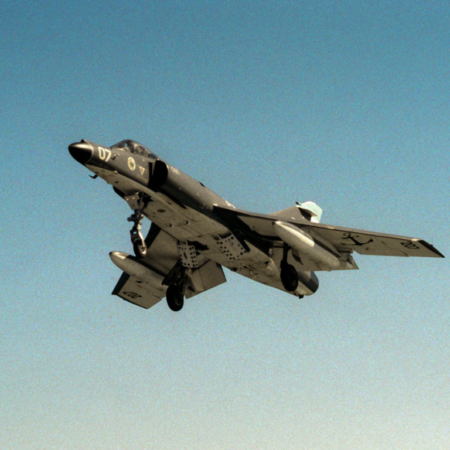
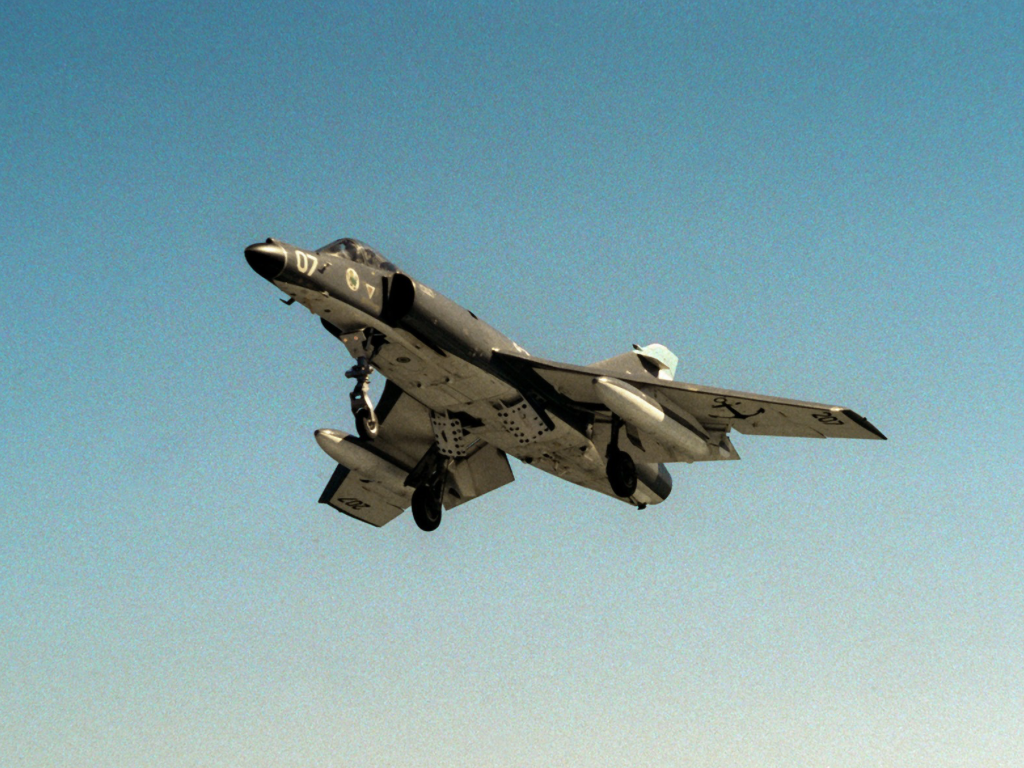
Argentina is finally retiring one of the most historically significant aircraft in its military aviation history. The Argentine Navy is ending the operational journey of its Dassault-Breguet Super Étendard fleet, bringing the curtain down on an aircraft that became famous during the 1982 Falklands War.
The retirement is part of Argentina’s broader Plan Dédalo, a five-year programme aimed at restructuring and modernising the country’s naval aviation capabilities. After years of efforts to restore the ageing aircraft to operational condition, Argentina has now decided to move on from the Super Étendard.
The decision marks the end of an extraordinary chapter for an aircraft that once posed a serious threat to the British fleet.
The Super Étendard and the Falklands War
Argentina acquired the French-built Super Étendard in the early 1980s. Designed as a carrier-based strike aircraft, it was capable of carrying the AM39 Exocet, a sea-skimming anti-ship missile.
The combination of the Super Étendard and Exocet proved particularly dangerous during the Falklands War.
Argentina invaded the Falkland Islands in April 1982, prompting Britain to dispatch a large naval task force to retake the territory. As British ships moved towards the South Atlantic, Argentine aircraft attempted to strike the fleet.
The Super Étendards became one of Argentina’s most important weapons.
On May 4, 1982, two Argentine Super Étendards launched Exocet missiles against the British destroyer HMS Sheffield. One missile struck the ship, causing extensive damage and fires. Sheffield was eventually lost while being towed.
The attack shocked the British naval task force and demonstrated the danger posed by modern anti-ship missiles.
The Atlantic Conveyor Strike
The Super Étendard-Exocet combination struck again on May 25, 1982.
Two Argentine aircraft launched another attack against the British task force. The missiles struck Atlantic Conveyor, a merchant vessel requisitioned to support Britain’s military operation.
The ship was carrying helicopters, equipment and other supplies needed by British forces. Its loss created significant logistical problems for the British campaign.
The attacks transformed the Super Étendard from a relatively obscure French naval aircraft into one of the most famous maritime strike platforms of the conflict.
Argentina also attempted to use Super Étendards and Exocets against the British aircraft carrier HMS Invincible later in the war. Argentina claimed the carrier had been hit, but Britain rejected the claim.
Why Argentina’s Super Étendards Were Grounded
The aircraft continued serving in Argentina for decades after the Falklands War. However, maintaining the ageing fleet eventually became increasingly difficult.
The country faced serious problems obtaining spare parts and maintaining critical components. The aircraft’s ejection-seat systems became one of the major obstacles to restoring the fleet to operational status.
Argentina attempted several times to bring the aircraft back into service, but technical difficulties, ageing equipment and limited access to replacement components prevented a successful return to regular operations.
In 2018, Argentina purchased five Super Étendard Modernisé aircraft from France in another attempt to revive its naval strike capability.
The aircraft arrived in Argentina in 2019. However, they too remained grounded because of difficulties involving their technical systems and critical components.
After years of unsuccessful efforts, Argentina ultimately concluded that returning the Super Étendard fleet to operational service was no longer practical.
Argentina Moves Towards a Different Naval Strategy
The retirement comes as Argentina restructures its naval aviation capabilities.
Rather than replacing the Super Étendard with another dedicated naval fighter, Argentina is increasingly focusing on maritime surveillance, patrol and reconnaissance.
The Argentine Navy has strengthened this capability through the acquisition of P-3 Orion maritime patrol aircraft, while also working to modernise helicopters, transport aircraft and other aviation assets.
The shift reflects changing priorities. Modern maritime warfare increasingly relies on long-range surveillance, networked sensors, unmanned systems and stand-off weapons rather than maintaining a small fleet of ageing manned strike aircraft.
The End of an Iconic Aircraft
The retirement of the Super Étendard represents more than the withdrawal of an obsolete aircraft.
The aircraft entered Argentine service shortly before the Falklands War and quickly became associated with some of the most dramatic naval attacks of the conflict.
Its successful use of the Exocet missile demonstrated how a relatively small number of aircraft could threaten a powerful naval task force.
More than four decades later, technological ageing and maintenance challenges have finally brought the Super Étendard’s Argentine career to an end.
The aircraft may now be grounded permanently, but its legacy remains deeply connected to the Falklands War and the evolution of modern anti-ship warfare.