China has become first country to successfully Lands Reusable Rocket Booster: What does it means for Space Travel?

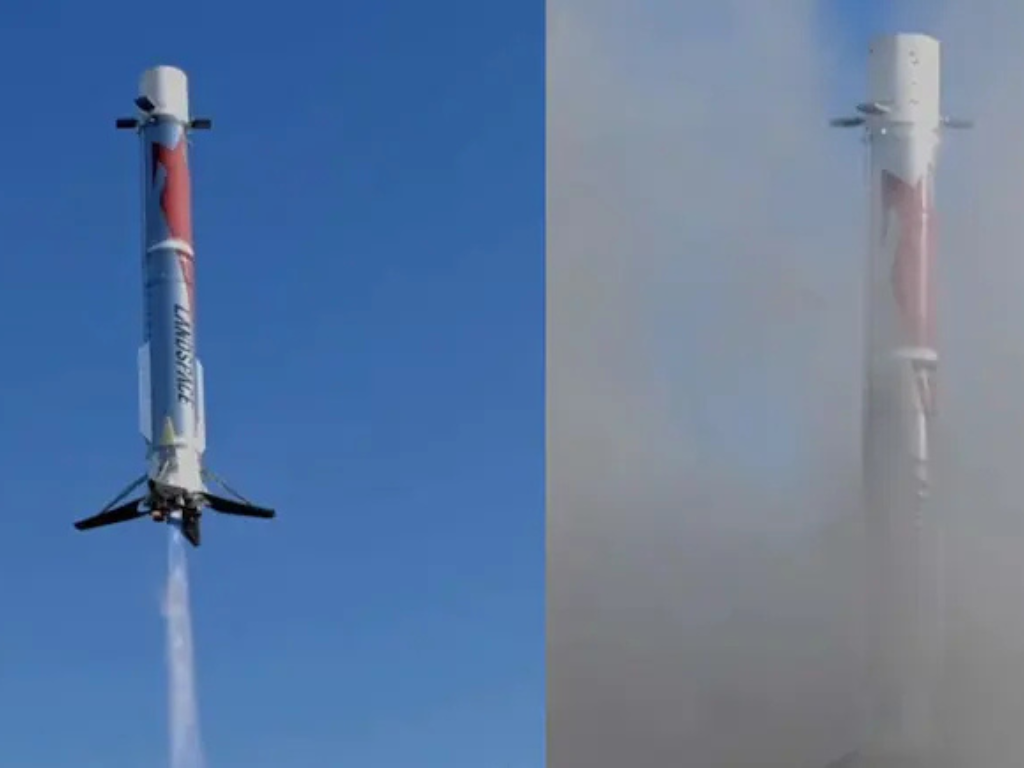
China has achieved a major milestone in reusable rocket technology after private aerospace company LandSpace successfully landed the first-stage booster of its Zhuque-3 rocket.
The achievement marks an important step in China’s growing commercial space programme and intensifies the global race to develop reusable launch vehicles.
Zhuque-3 completes successful booster landing
On August 19, 2026, LandSpace launched its Zhuque-3 rocket from the Dongfeng Commercial Space Innovation Pilot Zone in northwestern China.
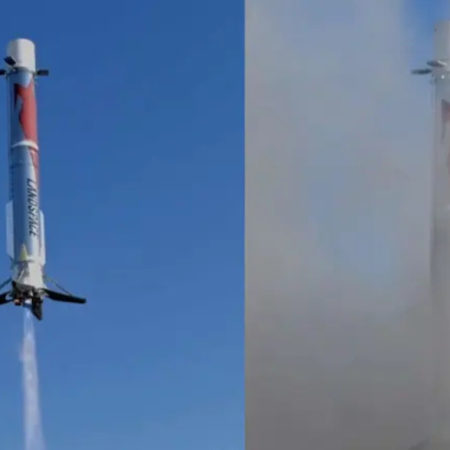
After completing its role during the launch, the rocket’s first-stage booster separated and began its controlled return to Earth. It travelled roughly 390 kilometres before landing upright in Gansu province using deployable landing legs.
The successful recovery is particularly significant because it demonstrated the ability of a Chinese private company to launch an orbital-class rocket and bring its booster back to a designated landing site.
The mission followed an earlier recovery attempt in December 2025, when Zhuque-3 successfully reached orbit but failed to complete its landing due to an abnormal combustion event during the descent.
Why reusable rockets important?
Conventional rockets are generally discarded after a launch, meaning a large portion of the vehicle has to be manufactured again for every mission.
Reusable rockets change this model by allowing expensive components, particularly the first stage, to return to Earth and be used again.
If the technology can be operated reliably, it can reduce launch costs, shorten preparation times and increase the number of missions that can be conducted each year.
This technology has become one of the most important developments in the global space industry, particularly since SpaceX demonstrated the commercial potential of landing and reusing Falcon 9 boosters.
Zhuque-3 uses methane fuel
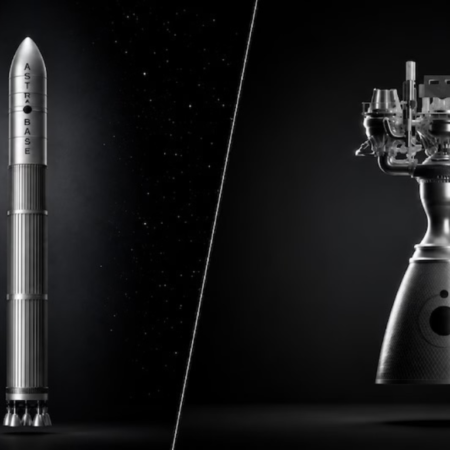
Zhuque-3 is a two-stage rocket standing approximately 66 metres tall. Its first stage is powered by nine engines.
The rocket uses liquid methane and liquid oxygen, commonly known as methalox, as propellants.
Methane-based propulsion has attracted considerable attention in the space industry because methane can offer advantages for reusable launch vehicles and can potentially be produced from resources available on other planets.
LandSpace has also designed the rocket using stainless steel, a material that can withstand high temperatures and may help lower manufacturing costs.
The first stage is designed for repeated flights, with LandSpace targeting up to 20 uses for the booster.
China enters a new stage of the reusable rocket race
China’s space programme has traditionally been dominated by state-owned organisations, but private aerospace companies have increasingly become important players.
LandSpace is among several Chinese companies working on reusable launch technology.
The Zhuque-3 achievement is particularly notable because the booster performed a vertical landing on solid ground using landing legs. This approach is broadly comparable to the landing technique used by SpaceX’s Falcon 9.
China is also experimenting with alternative recovery technologies. Another recent Chinese test involved recovering a rocket booster using a net-capture system on a floating platform.
These developments indicate that China is pursuing multiple approaches to make rocket recovery and reuse commercially viable.
Growing commercial space ambitions
LandSpace’s success comes as China’s commercial space sector expands rapidly.
The company plans to increase production and launch capabilities and is seeking significant investment to expand its reusable rocket programme.
The broader objective is to make launches more frequent and economical, allowing China to deploy more satellites and support an expanding commercial space ecosystem.
Reusable rockets could become particularly important as demand for satellite communications, Earth observation, navigation and other space-based services continues to grow.
Is China catching up with SpaceX?
The Zhuque-3 landing represents a significant achievement, but it does not mean China has already matched SpaceX in reusable rocket technology.
SpaceX has years of operational experience with Falcon 9 and has demonstrated repeated booster launches and landings on a large scale.
China is still working to develop the same level of reliability, rapid refurbishment and high-frequency reuse.
However, the successful Zhuque-3 landing demonstrates that Chinese companies are rapidly closing important technological gaps.
The next major challenge will be reflight.
Successfully landing a booster is only one part of reusable rocket technology. The recovered vehicle must be inspected, refurbished and launched again safely and economically.
If LandSpace succeeds in flying the recovered booster again within its planned timeframe, it would provide an important demonstration that China’s reusable rocket technology can move from experimental success to regular commercial operations.
What it means for the global space race
The Zhuque-3 achievement adds another major competitor to the global reusable-launch market.
The United States has SpaceX and Blue Origin, while China is developing reusable systems through both state-backed programmes and private companies.
The competition is no longer simply about reaching orbit. It is increasingly about how cheaply, frequently and reliably rockets can return to space.
For China, Zhuque-3 could therefore represent more than a successful rocket landing. It could be an important step towards building a high-frequency commercial launch industry and strengthening the country’s position in the increasingly competitive global space economy.