India Unveils First 800 kN FFSC Rocket Engine: Why EVEREST is a Big Deal ?

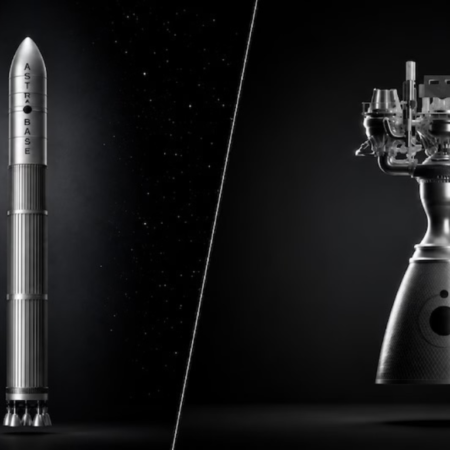
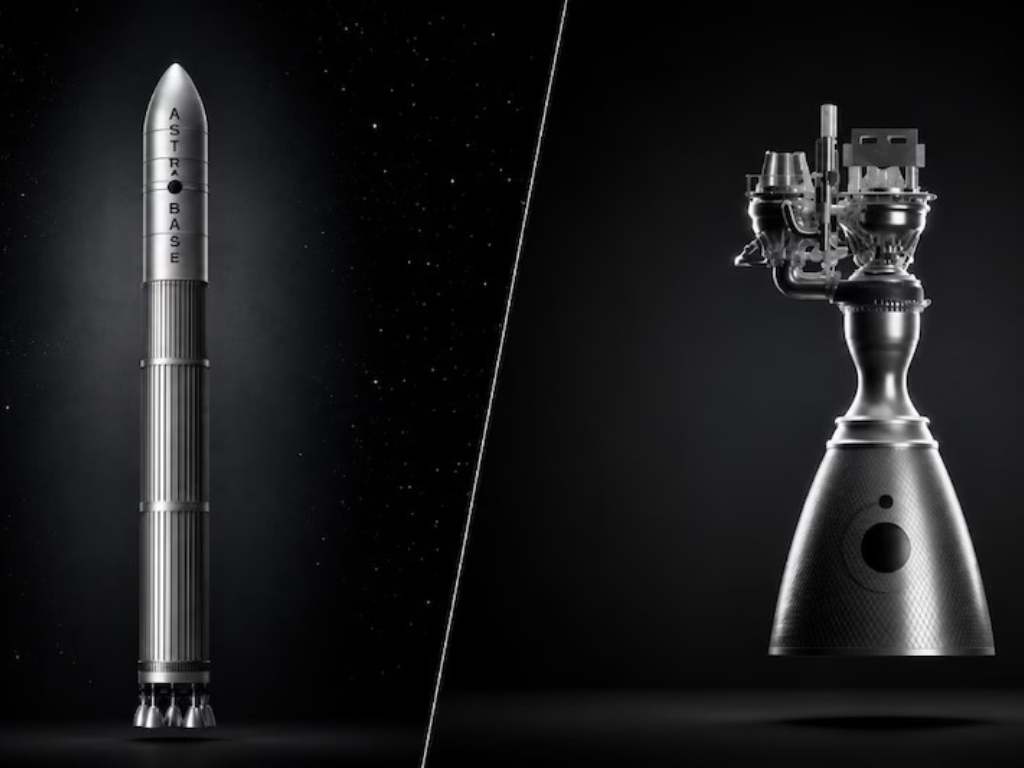
India’s private space sector has achieved another significant technological milestone with the unveiling of EVEREST, the country’s first privately developed 800 kN Full-Flow Staged Combustion (FFSC) rocket engine.
Developed by Bengaluru-based Astrobase Space Technologies, the LOX-methane engine is designed to deliver high thrust and efficiency while supporting the long-term development of reusable launch vehicles.
The unveiling comes only weeks after India’s private space industry marked another major milestone with the launch of Vikram-1, the country’s first privately developed orbital-class rocket.
What makes the EVEREST engine special?
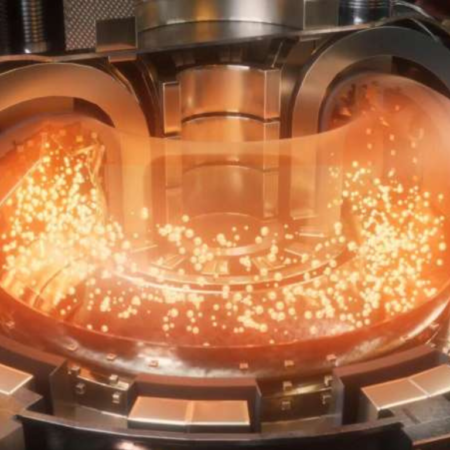
FFSC is considered one of the most advanced liquid rocket-engine architectures. Unlike conventional staged-combustion engines, an FFSC engine sends both propellants through separate preburners before they enter the main combustion chamber.
In EVEREST, liquid oxygen (LOX) acts as the oxidiser while liquid methane (CH₄) serves as the fuel. This combination, known as methalox, is increasingly important for next-generation reusable rockets.
The FFSC architecture allows the engine to operate with high propellant flow while improving combustion efficiency. It can also reduce turbine temperatures and stresses, potentially improving engine durability and making the technology particularly attractive for reusable launch systems.
However, these advantages come with enormous engineering challenges. Managing extremely high pressures, temperatures and propellant flows while maintaining stable combustion makes FFSC engines among the most difficult rocket engines to develop.
Inspired by the technology behind SpaceX’s Raptor
Astrobase’s EVEREST follows the broader technological approach associated with SpaceX’s Raptor engine, which uses a methalox propellant combination and a full-flow staged-combustion cycle.
SpaceX demonstrated the potential of this architecture through Raptor, which has become a key component of its reusable Starship launch system.
The Soviet Union had earlier developed the RD-270, an early FFSC engine, which was tested during the late 1960s. However, the technology remained largely dormant for decades before SpaceX revived the architecture with Raptor.
China has also been developing FFSC technology as part of its efforts to build advanced and reusable launch vehicles.
India enters a highly exclusive technological club
The significance of EVEREST goes beyond its thrust rating.
According to Astrobase co-founder and CEO Neeraj Khandelwal, the company’s achievement makes Astrobase only the fourth commercial company globally to successfully develop a high-thrust FFSC engine.
The development therefore represents an important step for India’s private space ecosystem, which has rapidly expanded since the government opened greater opportunities for private participation in the space sector.
Astrobase’s engine development has received support under the Technology Adoption Fund (TAF) of the Indian National Space Promotion and Authorisation Centre (IN-SPACe).
Why reusable rockets need engines like this
The future of commercial spaceflight is increasingly moving towards reusability.
Traditional rockets are largely expendable, meaning major portions of the launch vehicle are discarded after a mission. Reusable rockets aim to recover and fly major components multiple times, potentially bringing down the cost of access to space.
High-performance engines are central to this model.
An efficient, durable and throttleable engine can allow a launch vehicle to perform demanding tasks such as orbital insertion, controlled descent and powered landing. FFSC technology is particularly attractive because of its potential combination of efficiency, high chamber pressure and component durability.
For India, developing such an engine domestically could therefore have implications far beyond a single launch vehicle.
A new phase for India’s private space industry
India’s space ambitions were traditionally led by ISRO, but the emergence of companies such as Astrobase, Skyroot Aerospace and other private players is gradually creating a broader commercial space ecosystem.
The successful development of an advanced 800 kN-class engine could help Indian companies move beyond small launch vehicles towards larger and potentially reusable rockets.
It could also strengthen domestic capabilities in areas such as propulsion, cryogenic engineering, advanced manufacturing and launch-vehicle design.
The immediate challenge, however, will be testing and flight qualification. Developing a sophisticated engine on the ground is only one stage of the process. Sustained hot-fire testing, reliability demonstrations, integration with a launch vehicle and eventual flight testing will determine how far EVEREST can progress.
If those stages are successfully completed, EVEREST could become an important building block in India’s transition from being primarily a launch-service provider to becoming a major player in the global reusable-launch market.
For India’s private space sector, the unveiling of EVEREST is therefore more than the arrival of a new rocket engine. It signals that Indian startups are beginning to take on some of the most technically demanding challenges in modern spaceflight.